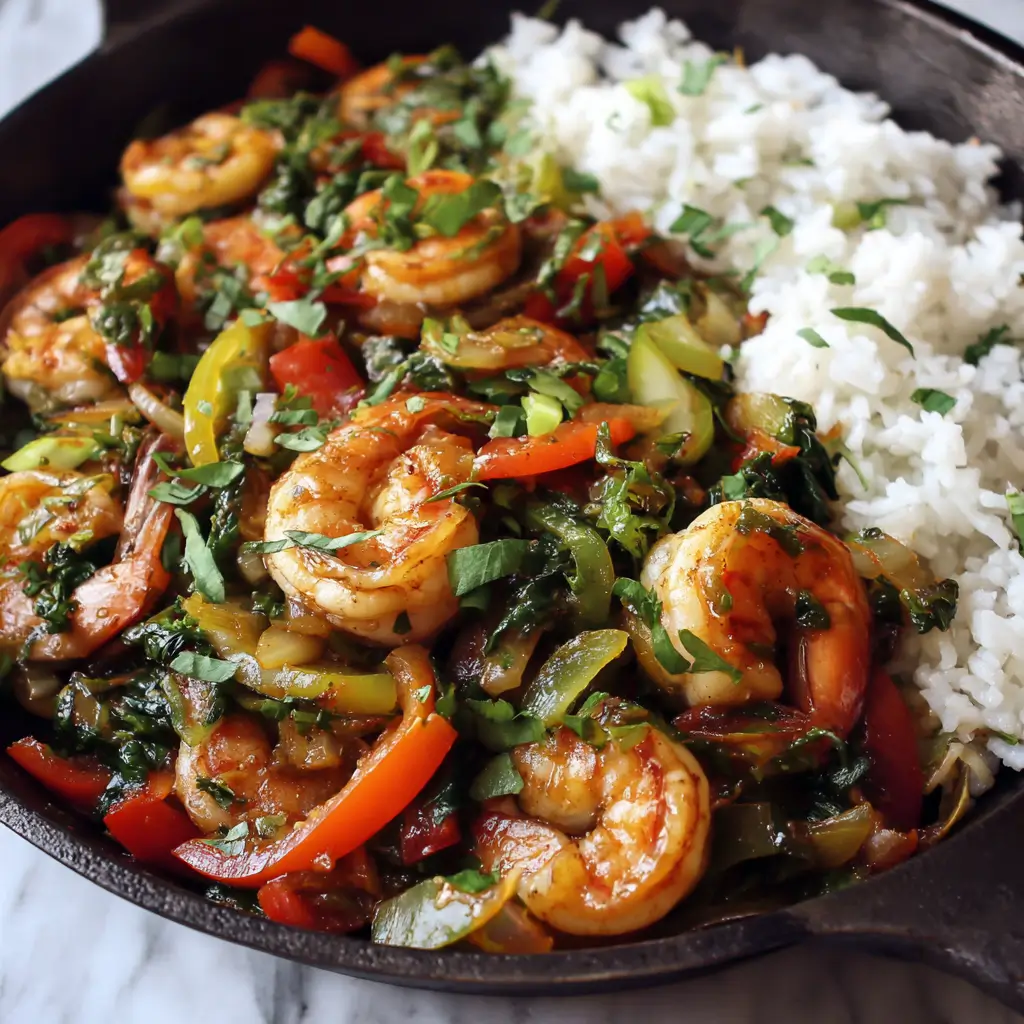
Thai Basil Shrimp Stir Fry: A Flavorful Journey Through Thailand’s Culinary Gem
The History of Thai Basil Shrimp Stir Fry
Thai Basil Shrimp Stir Fry, known locally as Pad Krapow Kung (ผัดกระเพรา กุ้ง), is a beloved variation of the iconic Thai dish Pad Krapow, traditionally made with minced pork or chicken. This stir-fry originates from central Thailand, where street food culture thrives and bold flavors reign supreme. The dish evolved from the broader category of spicy basil stir-fries, which have been a staple in Thai households for generations.
Basil has long held a sacred place in Thai cuisine, not only for its aromatic qualities but also for its medicinal uses in traditional healing practices. Holy basil (ka-prao) is the most authentic herb used, though Thai sweet basil is more commonly available outside of Southeast Asia. Over time, regional adaptations emerged, including seafood versions to cater to coastal communities and those preferring lighter proteins. Shrimp, being abundant in Thailand’s rivers and coastal waters, became a natural choice for this vibrant stir-fry.
The dish gained international popularity in the late 20th century as Thai restaurants spread across North America, Europe, and Australia. Its quick preparation, intense flavor profile, and balance of heat, sweetness, saltiness, and umami made it an instant favorite among food lovers seeking something both exotic and comforting. Today, Thai Basil Shrimp Stir Fry stands as a testament to Thailand’s culinary ingenuity—simple ingredients transformed into a complex, satisfying meal.
Ingredients Breakdown: Building Layers of Flavor
The magic of Thai Basil Shrimp Stir Fry lies in its harmonious blend of fresh, aromatic, and pungent ingredients. Each component plays a crucial role in creating the dish’s signature depth and complexity.
- Fresh Shrimp: Medium to large shrimp (31–40 count per pound) are ideal. Peeled and deveined, they cook quickly and absorb flavors beautifully. Freshness is key—look for firm, translucent shrimp with a mild ocean scent.
- Thai Basil: Also called sweet basil or horapha, this variety has purple stems and slightly serrated leaves. It offers a licorice-like aroma with hints of mint and anise, distinct from Italian or holy basil.
- Garlic: Minced fresh garlic forms the aromatic base of the stir-fry, releasing its pungency when sautéed in hot oil.
- Chilies: Fresh red or green bird’s eye chilies (prik kee noo) bring intense heat. These small peppers pack a punch, so adjust quantity based on spice tolerance.
- Shallots or Onion: Thinly sliced shallots add sweetness and texture. Some recipes use white or red onion for convenience.
- Fish Sauce: The soul of Thai savory flavor. Made from fermented anchovies, it adds saltiness and umami without overpowering.
- Oyster Sauce: Provides a rich, slightly sweet depth and helps create a glossy coating on the ingredients.
- Soy Sauce: Light soy sauce enhances color and saltiness; dark soy can be used sparingly for deeper hue.
- Sugar: A touch of palm sugar or brown sugar balances the salty and spicy elements.
- Rice Vinegar or Lime Juice: A splash brightens the dish and cuts through richness.
- Cooking Oil: Neutral oils like peanut, canola, or vegetable oil withstand high heat needed for stir-frying.
- Eggs (optional): Often served with a fried egg on top—runny yolk adds creaminess when mixed in.
- Jasmine Rice: The traditional accompaniment, serving as the perfect neutral canvas for the bold stir-fry.
Step-by-Step Recipe: Crafting the Perfect Stir-Fry
Follow these detailed steps to recreate an authentic Thai Basil Shrimp Stir Fry in your kitchen. Precision and timing are essential for achieving restaurant-quality results.
- Prepare Ingredients: Start by peeling and deveining 1 pound (450g) of shrimp. Pat them dry and season lightly with a pinch of white pepper. Mince 4 cloves of garlic and slice 2–3 bird’s eye chilies (adjust to taste). Slice 1 small shallot or ¼ cup of onion. Wash and dry 1 cup of fresh Thai basil leaves, removing thick stems.
- Mix the Sauce: In a small bowl, combine 2 tablespoons fish sauce, 1 tablespoon oyster sauce, 1 teaspoon light soy sauce, 1 teaspoon palm sugar (or brown sugar), and 1 teaspoon rice vinegar. Stir until sugar dissolves. Set aside.
- Heat the Wok: Place a wok or large skillet over high heat until smoking hot. Add 2 tablespoons of oil and swirl to coat the surface evenly.
- Sauté Aromatics: Add garlic, chilies, and shallots. Stir-fry for 15–20 seconds until fragrant but not burnt. The high heat should release their oils instantly.
- Cook the Shrimp: Add shrimp in a single layer. Let sear for 30 seconds before tossing. Cook for 1–2 minutes per side until pink and opaque. Avoid overcrowding to prevent steaming.
- Add the Sauce: Pour the prepared sauce mixture over the shrimp. Toss vigorously to coat all pieces evenly. Let simmer for 30 seconds to allow flavors to meld.
- Incorporate Basil: Throw in the Thai basil leaves. Stir continuously for 20–30 seconds until leaves wilt slightly and release their fragrance. Do not overcook—basil should remain vibrant.
- Taste and Adjust: Give the dish a final taste. Add more fish sauce for saltiness, sugar for sweetness, or chili for heat if desired.
- Serve Immediately: Transfer to a serving plate. Traditionally, it is topped with a sunny-side-up or over-easy egg and served with steamed jasmine rice on the side.
Pro Tips for the Best Thai Basil Shrimp Stir Fry
- Use High Heat: Authentic stir-fries rely on “wok hei” (breath of the wok)—the smoky flavor achieved through extremely high temperatures. If using a home stove, preheat thoroughly and work in batches if necessary.
- Prep Everything Ahead: Stir-frying is fast-paced. Have all ingredients chopped, measured, and within reach before turning on the heat.
- Dry the Shrimp: Moisture causes splattering and prevents proper searing. Pat shrimp dry with paper towels before cooking.
- Don’t Overcook the Basil: Add it at the very end. Overcooking turns the leaves black and bitter.
- Balance the Flavors: Taste as you go. The final dish should have a dynamic interplay of salty, spicy, sweet, and tangy notes.
- Fresh Is Best: Avoid dried herbs or pre-minced garlic. Freshness defines the brightness of this dish.
- Serve Hot: This is not a dish that reheats well. Serve immediately after cooking for optimal texture and aroma.
Variations and Customizations
While traditional Thai Basil Shrimp Stir Fry follows a specific formula, there are countless ways to personalize it to suit dietary needs, preferences, or ingredient availability.
- Protein Swaps: Replace shrimp with thinly sliced chicken, ground pork, beef, tofu, or even scallops. Each brings a different texture and flavor profile.
- Vegetarian/Vegan Version: Use mushrooms (shiitake or oyster) instead of shrimp. Substitute fish sauce with soy sauce or vegan fish sauce, and ensure oyster sauce is mushroom-based for authenticity.
- Spice Level Control: Remove chili seeds for milder heat. For extra fire, add more bird’s eye chilies or a dash of sriracha or chili oil.
- Herb Variations: While Thai basil is preferred, holy basil (kaphrao) gives a spicier, clove-like note. Sweet basil works in a pinch, though it lacks the peppery edge.
- Nutty Twist: Add a handful of crushed roasted cashews or peanuts for crunch and richness.
- Extra Veggies: Toss in bell peppers, snap peas, baby corn, or broccoli for added color and nutrition. Just be sure to stir-fry them briefly before adding shrimp.
- Sauce Modifications: For a tamarind twist, add a teaspoon of tamarind paste. For creaminess, finish with a drizzle of coconut milk.
- Gluten-Free Option: Use gluten-free tamari instead of soy sauce and verify oyster sauce is GF-certified.
Health Considerations and Nutritional Value
Thai Basil Shrimp Stir Fry can be a nutritious addition to a balanced diet when prepared mindfully.
Nutritional Highlights (per serving, approx. 1 cup with rice):
- Calories: ~350–400 kcal (varies with oil and sauce amounts)
- Protein: 25–30g (from shrimp and egg)
- Carbohydrates: 35–40g (mostly from rice)
- Fat: 12–15g (healthy fats from oil and shrimp)
- Sodium: Moderate to high due to fish and soy sauces (~800–1200mg)
Health Benefits:
- Shrimp: Low in calories, high in protein, selenium, and omega-3 fatty acids. Supports heart and brain health.
- Garlic & Chilies: Contain antioxidants and compounds like allicin and capsaicin, known for anti-inflammatory and metabolism-boosting properties.
- Thai Basil: Rich in essential oils with antimicrobial and anti-inflammatory effects. Also contains vitamin K and iron.
- Fish Sauce: Fermented ingredient that may support gut health in moderation.
Considerations:
- Sodium Content: High sodium levels can be concerning for individuals with hypertension. Reduce sauce用量 or use low-sodium versions.
- Allergens: Contains shellfish (shrimp) and potential soy/fish allergens. Always inform diners.
- Cooking Oil: Use heart-healthy oils and measure portions to avoid excess fat intake.
- Balanced Meal: Pair with brown rice for fiber or serve over zucchini noodles for a low-carb alternative.
Full Ingredient List
- 1 lb (450g) fresh shrimp, peeled and deveined
- 1 cup fresh Thai basil leaves
- 4 cloves garlic, minced
- 2–3 red bird’s eye chilies, sliced (seeds removed for less heat)
- 1 small shallot, thinly sliced (or ¼ cup red onion)
- 2 tbsp neutral cooking oil (peanut, canola, or vegetable)
- 2 tbsp fish sauce
- 1 tbsp oyster sauce
- 1 tsp light soy sauce
- 1 tsp palm sugar or brown sugar
- 1 tsp rice vinegar or fresh lime juice
- Pinch of white pepper
- 1 egg (optional, for topping)
- Steamed jasmine rice, for serving
Detailed Directions
- Gather and prep all ingredients. Pat shrimp dry and set aside. Mix fish sauce, oyster sauce, soy sauce, sugar, and vinegar in a bowl. Set sauce aside.
- Heat a wok or heavy skillet over high heat until very hot. Add oil and swirl to coat.
- Add garlic, chilies, and shallots. Stir-fry 15–20 seconds until aromatic.
- Add shrimp in a single layer. Sear undisturbed for 30 seconds, then flip and toss.
- Cook shrimp 1–2 minutes per side until pink and just cooked through. Avoid overcooking.
- Pour sauce over shrimp. Stir constantly for 30 seconds to coat and reduce slightly.
- Add Thai basil leaves. Toss until wilted and fragrant, about 20–30 seconds.
- Remove from heat. Taste and adjust seasoning if needed.
- In a separate pan, fry an egg sunny-side up or over-easy.
- Serve stir-fry immediately over jasmine rice, topped with the fried egg.
Frequently Asked Questions (FAQ)
Q: Can I use frozen shrimp?
A: Yes, but thaw them completely in the refrigerator overnight and pat dry before cooking for best texture.
Q: What if I can’t find Thai basil?
A: Italian sweet basil is a substitute, though milder. Holy basil offers a spicier kick. Avoid regular supermarket basil if possible.
Q: How do I make it less spicy?
A: Reduce or omit chilies. You can also deseed them or replace with bell pepper for color without heat.
Q: Can I make this ahead of time?
A: Stir-fries are best fresh. However, you can prep ingredients in advance and cook quickly when ready to eat.
Q: Is this dish gluten-free?
A: Not by default due to soy and oyster sauces. Use certified gluten-free alternatives to make it safe.
Q: Why did my sauce turn out too salty?
A: Fish and soy sauces vary in saltiness. Start with less, taste, and adjust. Adding a bit more sugar or lime can balance excess salt.
Q: Can I add vegetables?
A: Absolutely! Snow peas, bell peppers, carrots, or bok choy work well. Stir-fry them right after aromatics, before adding shrimp.
Q: What’s the difference between Thai basil and holy basil?
A: Thai basil has a licorice-mint flavor and stays green when cooked. Holy basil is spicier, more clove-like, and turns black when heated. Both are used in Thai cuisine but in different dishes.
Summary
Thai Basil Shrimp Stir Fry is a vibrant, aromatic dish that captures the essence of Thai street food—fiery, fragrant, and deeply satisfying. With succulent shrimp, pungent garlic, spicy chilies, and fresh basil tossed in a savory-sweet sauce, it delivers an explosion of flavor in every bite.
Served over steamed jasmine rice with a runny fried egg on top, this quick-cooking stir-fry is perfect for weeknight dinners or impressing guests with authentic Thai flair—all in under 20 minutes.