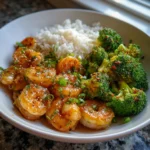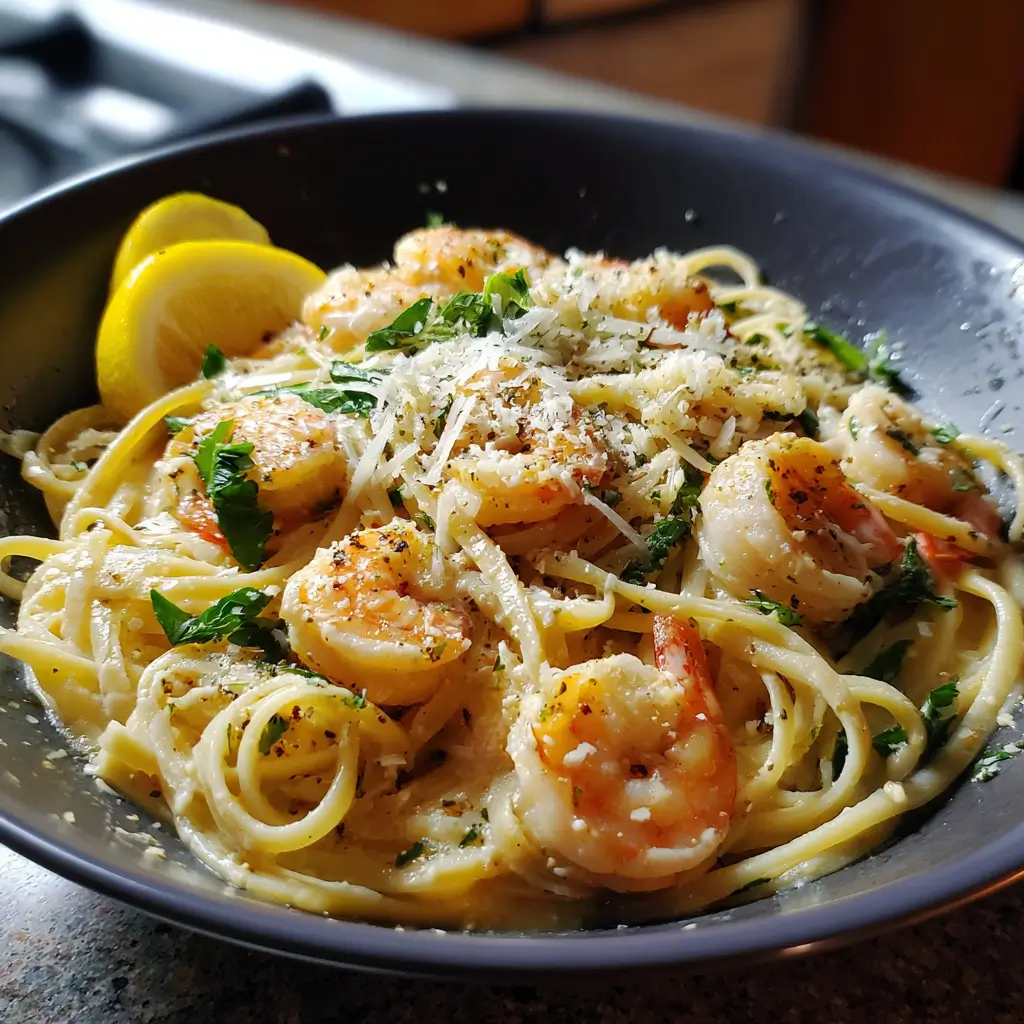
Creamy Lemon Garlic Shrimp Pasta: A Zesty, Comforting Delight
If you’re craving a restaurant-quality pasta dish that’s rich, creamy, and bright with citrus flavor—all made in the comfort of your own kitchen—look no further than this Creamy Lemon Garlic Shrimp Pasta. This dish combines succulent shrimp, al dente pasta, and a luscious lemon garlic cream sauce to create a meal that’s both elegant and satisfying. Whether it’s a weeknight dinner or a special date night at home, this recipe promises to deliver bold flavors and a luxurious texture without requiring advanced cooking skills.
The History
Pasta dishes featuring seafood have long been a staple in Mediterranean cuisine, especially along the coasts of Italy and Greece, where fresh fish and shellfish are abundant. While there is no single documented origin for Creamy Lemon Garlic Shrimp Pasta, its roots can be traced back to Italian-American culinary traditions that blend rustic Italian techniques with rich, indulgent American preferences.
Classic Italian pastas like spaghetti alle vongole (with clams) or gamberi e aglio (shrimp and garlic) laid the foundation for seafood-based pasta dishes. Over time, American home cooks began incorporating heavy cream, butter, and citrus to elevate the richness and balance the flavors. The addition of lemon not only brightened the dish but also complemented the sweetness of the shrimp, creating a harmonious contrast to the richness of the cream.
This particular variation—Creamy Lemon Garlic Shrimp Pasta—has gained popularity over the last two decades, especially with the rise of food blogs and social media platforms showcasing quick, flavorful meals. It embodies the best of both worlds: the simplicity of Italian cooking and the decadence favored in modern American kitchens.
Ingredients Breakdown
Every great dish starts with high-quality ingredients. Here’s a detailed look at what goes into making this delectable Creamy Lemon Garlic Shrimp Pasta:
- Shrimp: Medium to large shrimp (16–20 count), peeled and deveined. Fresh or frozen (thawed) work well. Look for wild-caught shrimp for better flavor and sustainability.
- Pasta: Fettuccine or linguine are ideal due to their ability to hold creamy sauces. Gluten-free alternatives like brown rice fettuccine can be used for dietary needs.
- Heavy Cream: Provides the luxurious base for the sauce. For a lighter version, half-and-half or whole milk can be used, though the sauce will be less rich.
- Butter: Unsalted butter adds depth and silkiness. Some is used for sautéing; the rest is stirred in at the end for a glossy finish.
- Garlic: Freshly minced garlic is essential. Avoid pre-minced jars for optimal flavor.
- Lemon: Both zest and juice are used. The zest contains aromatic oils, while the juice brings acidity and brightness.
- Chicken or Vegetable Broth: Adds depth and helps deglaze the pan. Low-sodium versions allow for better control over seasoning.
- Grated Parmesan Cheese: Enhances umami and contributes to the creaminess. Freshly grated melts better than pre-shredded.
- Olive Oil: Used to cook the shrimp and prevent sticking. Extra virgin olive oil offers the best flavor.
- Red Pepper Flakes: Optional, for a hint of heat. Adjust to taste.
- Fresh Herbs: Parsley or basil add freshness and color when sprinkled on top before serving.
- Salt and Black Pepper: To season each component properly.
Step-by-Step Recipe
Follow these detailed steps to achieve a perfectly balanced, creamy, and flavorful Creamy Lemon Garlic Shrimp Pasta every time.
- Prepare the Ingredients: Before you begin cooking, measure out all ingredients. Mince the garlic, zest and juice the lemon, grate the Parmesan, chop the parsley, and pat the shrimp dry with paper towels. Having everything ready ensures smooth execution.
- Cook the Pasta: Bring a large pot of salted water to a boil (use about 1 tablespoon of salt per 4 quarts of water). Add the pasta and cook according to package instructions until al dente. Reserve ½ cup of pasta water before draining. Do not rinse the pasta—this removes starch needed for sauce adherence.
- Season and Sear the Shrimp: While the pasta cooks, heat 1 tablespoon of olive oil in a large skillet over medium-high heat. Season shrimp with salt, pepper, and a pinch of red pepper flakes. Add shrimp in a single layer and sear for 1–2 minutes per side until pink and opaque. Remove and set aside—do not overcook.
- Sauté the Aromatics: In the same skillet, reduce heat to medium. Add 1 tablespoon of butter and 1 tablespoon of olive oil. Once butter melts, add minced garlic and sauté for 30–60 seconds until fragrant—do not let it burn.
- Build the Sauce: Pour in ½ cup of chicken or vegetable broth to deglaze the pan, scraping up any browned bits. Let it simmer for 1–2 minutes to reduce slightly. Stir in 1 cup of heavy cream and bring to a gentle simmer.
- Add Citrus and Cheese: Stir in ½ teaspoon of lemon zest and 2 tablespoons of lemon juice. Gradually whisk in ½ cup of grated Parmesan cheese until melted and smooth. Simmer for another 2–3 minutes until the sauce thickens slightly.
- Combine Everything: Add the cooked and drained pasta to the skillet. Toss to coat evenly with the sauce, adding reserved pasta water ¼ cup at a time if needed to loosen the consistency.
- Incorporate the Shrimp: Gently fold in the cooked shrimp and heat through for 1 minute. Finish by stirring in 1 more tablespoon of cold butter for extra gloss and richness.
- Garnish and Serve: Remove from heat. Sprinkle with chopped fresh parsley, extra lemon zest, and additional Parmesan if desired. Serve immediately.
Tips for Perfection
- Don’t Overcook the Shrimp: Shrimp cook quickly and become rubbery if left too long. Remove them from the pan as soon as they turn opaque.
- Use Fresh Lemon: Bottled lemon juice lacks the vibrant flavor of freshly squeezed lemons. Always use fresh for the best results.
- Reserve Pasta Water: The starchy water helps bind the sauce to the pasta. Don’t skip this step!
- Season in Layers: Salt each component—shrimp, pasta water, and sauce—for balanced flavor throughout.
- Simmer, Don’t Boil: Keep the cream sauce at a gentle simmer to prevent curdling.
- Rest Before Serving: Let the dish sit for 1–2 minutes after mixing. This allows the pasta to absorb some sauce, enhancing flavor.
- Prevent Dryness: If reheating leftovers, add a splash of broth or cream to refresh the texture.
Variations and Customizations
This recipe is incredibly versatile. Try these creative twists to suit your taste or dietary needs:
- Dairy-Free Version: Substitute heavy cream with full-fat coconut milk and use nutritional yeast or vegan Parmesan instead of dairy cheese.
- Low-Carb/Keto Option: Replace pasta with zucchini noodles (zoodles) or shirataki noodles. Increase healthy fats with avocado or olive oil.
- Vegetarian Alternative: Omit shrimp and add sautéed mushrooms, artichoke hearts, or roasted cherry tomatoes for umami depth.
- Seafood Medley: Include scallops, crab meat, or white fish like cod for a surf-and-turf twist.
- Herb Variations: Swap parsley for fresh dill, chives, or basil for different flavor profiles.
- Spicy Kick: Add more red pepper flakes or a dash of hot sauce like Sriracha or Calabrian chili paste.
- Creamier Texture: Blend in 2–3 tablespoons of cream cheese or mascarpone for an even richer mouthfeel.
- Wine-Infused Sauce: Deglaze with ¼ cup of dry white wine (like Pinot Grigio or Sauvignon Blanc) before adding broth for added complexity.
Health Considerations and Nutritional Value
While undeniably indulgent, Creamy Lemon Garlic Shrimp Pasta can be part of a balanced diet when enjoyed in moderation. Here’s a breakdown of its nutritional profile (per serving, approx. 1/4 of recipe):
- Calories: ~550–650 kcal
- Protein: ~25–30g (from shrimp and cheese)
- Fat: ~25–30g (mostly saturated from cream and butter)
- Carbohydrates: ~50–60g (primarily from pasta)
- Fiber: ~3g
- Vitamin C: From lemon juice—supports immunity.
- Selenium & Omega-3s: Shrimp provide heart-healthy nutrients and antioxidants.
- Calcium & Phosphorus: From dairy ingredients, supporting bone health.
Health Tips:
- Opt for whole grain or legume-based pasta to increase fiber and lower glycemic impact.
- Use light cream or evaporated milk to reduce fat content.
- Limit portion size (1.5 cups max) and pair with a side salad or steamed vegetables.
- Avoid excessive sodium by using low-sodium broth and limiting added salt.
- Choose sustainable shrimp sources to support environmental responsibility.
Ingredients
- 12 oz (340g) fettuccine or linguine
- 1 lb (450g) large shrimp, peeled and deveined
- 2 tbsp olive oil, divided
- 3 tbsp unsalted butter, divided
- 4 cloves garlic, minced
- 1 cup heavy cream
- ½ cup low-sodium chicken or vegetable broth
- ½ cup grated Parmesan cheese, plus extra for serving
- 1 large lemon (zest and juice—about 2 tbsp juice)
- ½ tsp red pepper flakes (optional)
- Salt and freshly ground black pepper, to taste
- ¼ cup fresh parsley, chopped
Directions
- Bring a large pot of salted water to a boil. Cook pasta according to package directions until al dente. Reserve ½ cup of pasta water, then drain and set aside.
- Season shrimp with salt, pepper, and red pepper flakes. Heat 1 tbsp olive oil in a large skillet over medium-high heat. Add shrimp in a single layer and cook 1–2 minutes per side until pink and opaque. Transfer to a plate and set aside.
- Reduce heat to medium. Melt 1 tbsp butter with 1 tbsp olive oil in the same skillet. Add garlic and sauté for 30–60 seconds until fragrant.
- Pour in broth and scrape up any browned bits. Simmer 1–2 minutes to reduce slightly.
- Stir in heavy cream and bring to a gentle simmer. Add lemon zest, lemon juice, and Parmesan. Stir until cheese melts and sauce thickens slightly, about 3 minutes.
- Add cooked pasta to the skillet and toss to coat. Add reserved pasta water as needed to achieve a silky, cohesive sauce.
- Gently fold in cooked shrimp and heat through for 1 minute.
- Remove from heat. Stir in remaining 2 tbsp butter for shine and richness.
- Season to taste with salt and pepper. Garnish with parsley, extra lemon zest, and Parmesan.
- Serve immediately while hot.
FAQ
Can I make this ahead of time?
Yes, but best served fresh. You can prep ingredients in advance—peel shrimp, grate cheese, mince garlic. Reheat gently on the stove with a splash of cream or broth to revive the sauce.
How do I store leftovers?
Store in an airtight container in the refrigerator for up to 3 days. Reheat slowly over low heat to prevent separation.
Why did my sauce break?
Sauces can break if overheated or if cold ingredients are added too quickly. To fix, remove from heat, stir in a spoonful of cold cream, and whisk vigorously. A small amount of cornstarch slurry can also help stabilize.
Can I freeze this dish?
Not recommended. Cream-based sauces tend to separate when frozen and thawed, resulting in a grainy texture.
What pasta works best?
Linguine, fettuccine, tagliatelle, or pappardelle are ideal. Their wide, flat surfaces hold the creamy sauce beautifully.
Can I use frozen shrimp?
Yes, just make sure to thaw them completely in the refrigerator overnight and pat dry before cooking to ensure proper searing.
Is this recipe gluten-free?
Yes, if you use gluten-free pasta and confirm that all other ingredients (broth, cheese) are certified GF.
How can I make it spicier?
Increase red pepper flakes, add a dash of cayenne, or stir in a spoonful of harissa or chili garlic paste.
Summary
Creamy Lemon Garlic Shrimp Pasta is a luxurious yet easy-to-make dish that balances rich, velvety sauce with bright citrus and tender shrimp. Perfect for impressing guests or treating yourself to a gourmet meal at home.