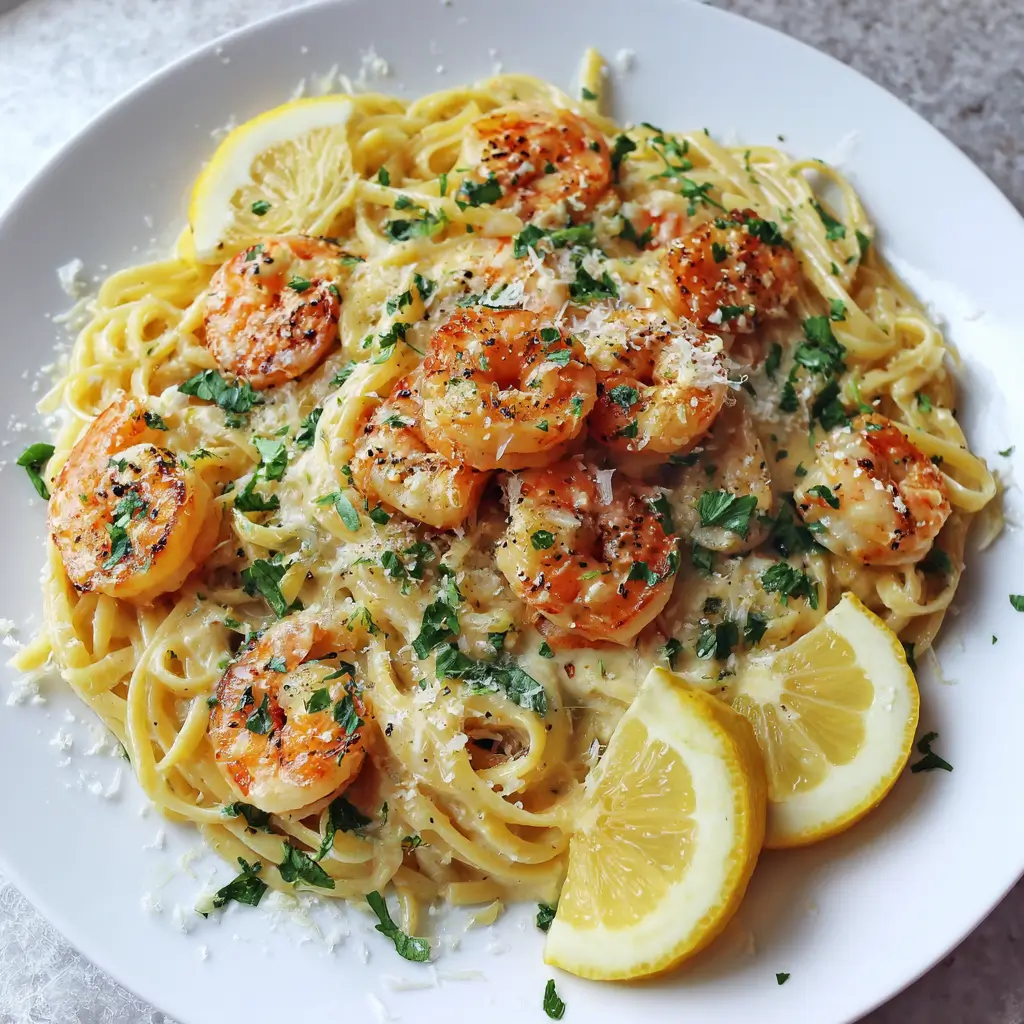
Creamy Lemon Garlic Shrimp Pasta: A Luxurious Yet Simple Gourmet Dish
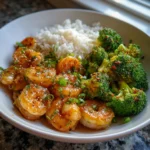
If you’re craving a restaurant-quality pasta dish that’s rich, zesty, and incredibly satisfying—all from the comfort of your kitchen—look no further than Creamy Lemon Garlic Shrimp Pasta. This elegant yet approachable recipe combines tender shrimp, al dente pasta, and a velvety lemon-garlic sauce that bursts with bright citrus notes and savory depth. Whether you’re cooking for a special date night, impressing guests, or simply treating yourself to something delicious, this dish delivers on flavor, texture, and visual appeal. With its creamy consistency, vibrant color, and aromatic fragrance, it’s no wonder this recipe has become a favorite among home cooks and food enthusiasts alike.
The History Behind Creamy Lemon Garlic Shrimp Pasta
While pasta dishes featuring seafood have deep roots in Mediterranean cuisine—especially in Italy and coastal regions of Greece—the modern version of Creamy Lemon Garlic Shrimp Pasta is a relatively recent culinary innovation. It emerged as part of the broader trend in late 20th-century American cooking that blended traditional Italian techniques with bold, fresh flavors and lighter ingredients. Chefs began experimenting with cream-based sauces infused with citrus, particularly lemon, to cut through the richness and add brightness. Garlic, long celebrated for its pungent aroma and health benefits, became a staple base for sautéed proteins like shrimp.
This fusion of French-inspired cream sauces (think Alfredo or Beurre Blanc) with Italian pasta traditions and American preferences for quick, flavorful weeknight meals gave rise to dishes like Creamy Lemon Garlic Shrimp Pasta. Over time, home cooks refined the recipe using accessible ingredients such as heavy cream, butter, white wine, and fresh lemon juice, making it both indulgent and refreshingly light. Today, it’s a hallmark of modern comfort food with gourmet flair, often featured in food blogs, cooking shows, and upscale casual dining menus across North America and beyond.
Ingredients Breakdown: What Makes This Dish Shine
The magic of Creamy Lemon Garlic Shrimp Pasta lies in its balance of high-quality ingredients that work in harmony to create layers of flavor and texture. Let’s break down each component:
- Fettuccine or Linguine: These flat, ribbon-like pastas are ideal for capturing creamy sauces. Their surface area allows the sauce to cling beautifully, ensuring every bite is flavorful.
- Large Shrimp (Peeled and Deveined): Fresh or frozen wild-caught shrimp add sweetness and a delicate oceanic taste. Opt for 16/20 or 21/25 count shrimp for optimal size and texture.
- Heavy Cream: The foundation of the creamy sauce, providing richness and smooth mouthfeel. For a lighter option, half-and-half can be used, though the sauce will be less thick.
- Butter and Olive Oil: A combination of both ensures a well-rounded fat profile—butter adds richness while olive oil contributes a subtle fruitiness and helps prevent burning during sautéing.
- Garlic: Freshly minced garlic is essential. It provides a sharp, aromatic backbone that mellows into sweetness when cooked gently.
- Lemon: Both zest and juice are crucial. Zest contains fragrant oils that intensify citrus flavor without adding acidity, while fresh juice brings tanginess that cuts through the creaminess.
- Parmesan Cheese: High-quality grated Parmigiano-Reggiano melts into the sauce, adding umami, saltiness, and body.
- Dry White Wine (optional but recommended): Sauvignon Blanc or Pinot Grigio deglazes the pan, lifts flavors, and enhances complexity with a hint of acidity and fruitiness.
- Red Pepper Flakes: Just a pinch introduces a gentle heat that complements the lemon and garlic without overpowering them.
- Fresh Herbs (parsley or basil): Chopped flat-leaf parsley adds freshness and color; basil offers a slightly sweeter note if preferred.
- Salt and Black Pepper: Essential seasonings to round out all other flavors.
Each ingredient plays a role in building a balanced, luxurious dish where no single element dominates—but together, they sing in perfect harmony.
Step-by-Step Recipe: How to Make Creamy Lemon Garlic Shrimp Pasta
Follow these detailed steps to achieve restaurant-quality results at home:
- Prepare Your Ingredients: Before you begin cooking, gather and prep everything. Peel and devein the shrimp, pat them dry with paper towels, and season lightly with salt and pepper. Mince the garlic, zest and juice the lemon, grate the Parmesan, and chop the parsley. Measure out all liquids and spices so they’re ready to go—this is key because the cooking process moves quickly.
- Cook the Pasta: Bring a large pot of generously salted water to a rolling boil (use about 1 tablespoon of salt per quart of water). Add 12 ounces of fettuccine or linguine and cook according to package instructions until al dente—usually 8–10 minutes. Reserve ¾ cup of pasta water before draining. Do not rinse the pasta; the starch helps the sauce adhere.
- Sear the Shrimp: While the pasta cooks, heat 1 tablespoon of olive oil and 1 tablespoon of butter in a large skillet over medium-high heat. Once hot, add the shrimp in a single layer and sear for 1–2 minutes per side until pink, opaque, and just cooked through. Avoid overcrowding the pan—work in batches if needed. Remove the shrimp and set aside on a plate.
- Sauté the Aromatics: In the same skillet, reduce the heat to medium. Add another tablespoon of butter. When melted, add 4–5 cloves of minced garlic and a pinch of red pepper flakes. Sauté for 30–60 seconds until fragrant but not browned—burnt garlic turns bitter.
- Build the Sauce Base: Pour in ½ cup of dry white wine (if using) and simmer for 2–3 minutes, scraping up any browned bits from the bottom of the pan. This deglazing step concentrates flavor. Allow the alcohol to evaporate and the liquid to reduce by half.
- Add Cream and Simmer: Stir in 1 cup of heavy cream and bring to a gentle simmer. Cook for 3–4 minutes, allowing the cream to thicken slightly. Do not boil vigorously, as this may cause separation.
- Incorporate Cheese and Citrus: Reduce the heat to low. Gradually whisk in ½ cup of freshly grated Parmesan cheese until fully melted and smooth. Stir in 2 tablespoons of fresh lemon juice and 1 teaspoon of lemon zest. Taste and adjust seasoning with salt and black pepper as needed.
- Combine Pasta and Sauce: Add the drained pasta directly into the skillet with the sauce. Toss well to coat evenly, adding reserved pasta water a few tablespoons at a time until the desired creaminess is achieved. The starch in the water helps emulsify the sauce.
- Finish with Shrimp and Herbs: Return the cooked shrimp to the skillet along with any accumulated juices. Gently toss to reheat for 1 minute. Sprinkle in chopped parsley and give one final stir.
- Serve Immediately: Plate the pasta hot, garnishing with extra Parmesan, a twist of black pepper, and a few lemon slices for presentation. Serve with crusty bread and a crisp green salad for a complete meal.
Pro Tips for Perfect Results Every Time
- Don’t Overcook the Shrimp: Shrimp cook very quickly and become rubbery if left too long in the heat. Remove them from the pan as soon as they turn pink and opaque.
- Use Fresh Lemon Juice: Bottled lemon juice lacks the bright, clean flavor of freshly squeezed lemons and can sometimes have a metallic aftertaste.
- Reserve Pasta Water: Never skip this step! The starchy liquid is vital for adjusting sauce consistency and helping it cling to the noodles.
- Grate Your Own Cheese: Pre-grated cheeses contain anti-caking agents that can make the sauce grainy or prevent proper melting.
- Control the Heat: Keep the flame moderate when adding cream and cheese to avoid curdling. Low and slow wins the race here.
- Season in Layers: Season the shrimp, then the sauce, then again at the end. This builds depth and prevents blandness.
- Rest Before Serving: Let the dish sit for 1–2 minutes after tossing—it allows the sauce to settle and absorb into the pasta slightly.
Variations and Customizations: Make It Your Own
One of the best things about Creamy Lemon Garlic Shrimp Pasta is how adaptable it is. Here are some creative twists to suit different tastes and dietary needs:
- Creamier Version: Add 2–3 tablespoons of cream cheese or mascarpone for an even richer, silkier texture.
- Dairy-Free Option: Replace heavy cream with full-fat coconut milk and use nutritional yeast or vegan Parmesan instead of dairy cheese. Use olive oil instead of butter.
- Gluten-Free Adaptation: Use gluten-free pasta made from rice, corn, or quinoa. Ensure all other ingredients (like broth or wine) are certified GF.
- Add Vegetables: Boost nutrition and color by folding in sautéed spinach, sun-dried tomatoes, artichoke hearts, roasted bell peppers, or asparagus.
- Protein Swaps: Try scallops, grilled chicken, or even flaked salmon instead of shrimp for a different twist.
- Herb Variations: Swap parsley for dill (great with lemon), chives, or tarragon for a more floral note.
- Spicy Kick: Increase red pepper flakes or add a dash of hot sauce like Sriracha or Calabrian chili paste.
- Wine-Free Version: Substitute white wine with low-sodium chicken or vegetable broth plus ½ teaspoon of white wine vinegar for acidity.
- Tomato Twist: Stir in halved cherry tomatoes or a spoonful of tomato pesto for a rosé-style variation.
- Bacon or Pancetta Addition: Crispy bacon adds smokiness and crunch—cook it first, remove, then use the rendered fat to sauté the garlic.
Health Considerations and Nutritional Value
Creamy Lemon Garlic Shrimp Pasta is undeniably decadent, but with mindful choices, it can fit into a balanced diet. Here’s a breakdown of its nutritional aspects:
Nutritional Highlights (per serving, approx. 1/4 of recipe):
- Calories: ~550–650 kcal (varies based on ingredients and portion size)
- Protein: ~25–30g (from shrimp and cheese—excellent for muscle repair and satiety)
- Fat: ~25–35g (mostly from cream and butter; includes saturated fat)
- Carbohydrates: ~50–60g (primarily from pasta)
- Fiber: ~3–4g (can increase significantly with added vegetables)
- Vitamins & Minerals: Rich in selenium (shrimp), vitamin B12, calcium (cheese), vitamin C (lemon), and antioxidants from garlic and herbs.
Health Notes:
- Heart Health: While heavy cream and butter contain saturated fats, moderate consumption within a varied diet is generally acceptable. Using olive oil helps introduce heart-healthy monounsaturated fats.
- Cholesterol: Shrimp naturally contain cholesterol, but current research suggests dietary cholesterol has less impact on blood cholesterol than once believed. Focus more on reducing trans fats and processed carbs.
- Sodium: Can be high due to cheese, salt, and store-bought broth. Control sodium by using low-sodium options and limiting added salt.
- Lighter Alternatives: To reduce calories and fat, substitute half the cream with whole milk or Greek yogurt, use less cheese, increase vegetables, and choose whole grain or legume-based pasta.
- Portion Control: Serve with a large side salad to stretch the meal and enhance fullness without excess calories.
- Allergens: Contains shellfish, dairy, gluten, and eggs (in most pastas). Always label accordingly when serving others.
Full Ingredient List
- 12 oz (340g) fettuccine or linguine
- 1 lb (450g) large shrimp, peeled and deveined
- 2 tbsp olive oil, divided
- 3 tbsp unsalted butter, divided
- 4–5 garlic cloves, finely minced
- ½ cup dry white wine (e.g., Sauvignon Blanc or Pinot Grigio) – optional
- 1 cup heavy cream (or substitute with half-and-half for lighter version)
- ½ cup freshly grated Parmesan cheese (preferably Parmigiano-Reggiano)
- 2 tbsp fresh lemon juice (about 1 large lemon)
- 1 tsp lemon zest
- ¼ tsp red pepper flakes (adjust to taste)
- Salt and freshly ground black pepper, to taste
- ¼ cup chopped fresh parsley (flat-leaf preferred)
- Optional: additional lemon slices, extra Parmesan, and cracked pepper for garnish
Detailed Directions
- Prep Work: Pat shrimp dry and season with salt and pepper. Mince garlic, zest and juice lemon, chop parsley, and grate cheese. Set aside.
- Boil Pasta: Fill a large pot with water, add 1 tbsp salt, and bring to a boil. Add pasta and cook until al dente. Reserve ¾ cup pasta water, then drain.
- Sear Shrimp: Heat 1 tbsp olive oil and 1 tbsp butter in a large skillet over medium-high heat. Add shrimp in a single layer; cook 1–2 minutes per side until pink and opaque. Transfer to a plate.
- Sauté Garlic: In the same pan, reduce heat to medium. Add 1 tbsp butter. Once melted, add garlic and red pepper flakes. Cook 30–60 seconds until fragrant.
- Deglaze with Wine: Pour in white wine, scrape the bottom of the pan, and simmer 2–3 minutes until reduced by half.
- Add Cream: Stir in heavy cream and bring to a gentle simmer. Cook 3–4 minutes to thicken slightly.
- Melt Cheese and Add Citrus: Reduce heat to low. Whisk in Parmesan until smooth. Stir in lemon juice and zest. Season with salt and pepper.
- Combine Pasta: Add drained pasta to the sauce. Toss well, adding reserved pasta water gradually (start with ¼ cup) until sauce coats the noodles smoothly.
- Reincorporate Shrimp: Add shrimp and any juices back into the skillet. Warm through for 1 minute.
- Finish and Serve: Stir in parsley. Divide among warm bowls. Garnish with extra cheese, black pepper, and lemon wedges. Serve immediately.
Frequently Asked Questions (FAQ)
Can I make this ahead of time?
Yes, but it’s best served fresh. You can prep ingredients in advance (chop, measure, peel shrimp), but assemble and cook just before serving. Reheated leftovers may require a splash of milk or broth to loosen the sauce.
How do I store leftovers?
Store in an airtight container in the refrigerator for up to 3 days. Reheat gently on the stove with a little liquid to restore creaminess. Avoid microwaving at high power to prevent curdling.
Can I freeze Creamy Lemon Garlic Shrimp Pasta?
Not recommended. Dairy-based sauces tend to separate when frozen and thawed, resulting in a grainy texture. Freeze plain cooked shrimp separately if needed.
Why did my sauce curdle?
High heat, sudden temperature changes, or acidic ingredients added too quickly can cause cream to curdle. Always keep heat low when adding dairy, and temper acidity by balancing with fat or starch.
Is this dish safe for pregnant women?
Yes, provided the shrimp are fully cooked (opaque and firm) and pasteurized dairy products are used. Avoid raw or undercooked seafood and unpasteurized cheeses during pregnancy.
Can I use frozen shrimp?
Absolutely. Thaw frozen shrimp overnight in the fridge or under cold running water. Pat dry thoroughly before cooking to ensure proper searing.
What wine pairs well with this dish?
A crisp white wine like Sauvignon Blanc, Pinot Grigio, or Chardonnay (unoaked) complements the lemon and cream beautifully. For non-alcoholic pairings, try sparkling water with lemon or herbal iced tea.
Can I make it without alcohol?
Yes. Replace wine with low-sodium chicken or vegetable broth mixed with ½ teaspoon white wine vinegar or lemon juice for acidity.
Summary
Creamy Lemon Garlic Shrimp Pasta is a sumptuous dish that blends succulent shrimp, silky sauce, and bright citrus flavors into a harmonious, restaurant-worthy meal. Quick to prepare and endlessly customizable, it’s perfect for weeknights or special occasions alike.