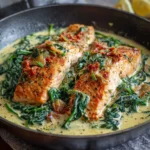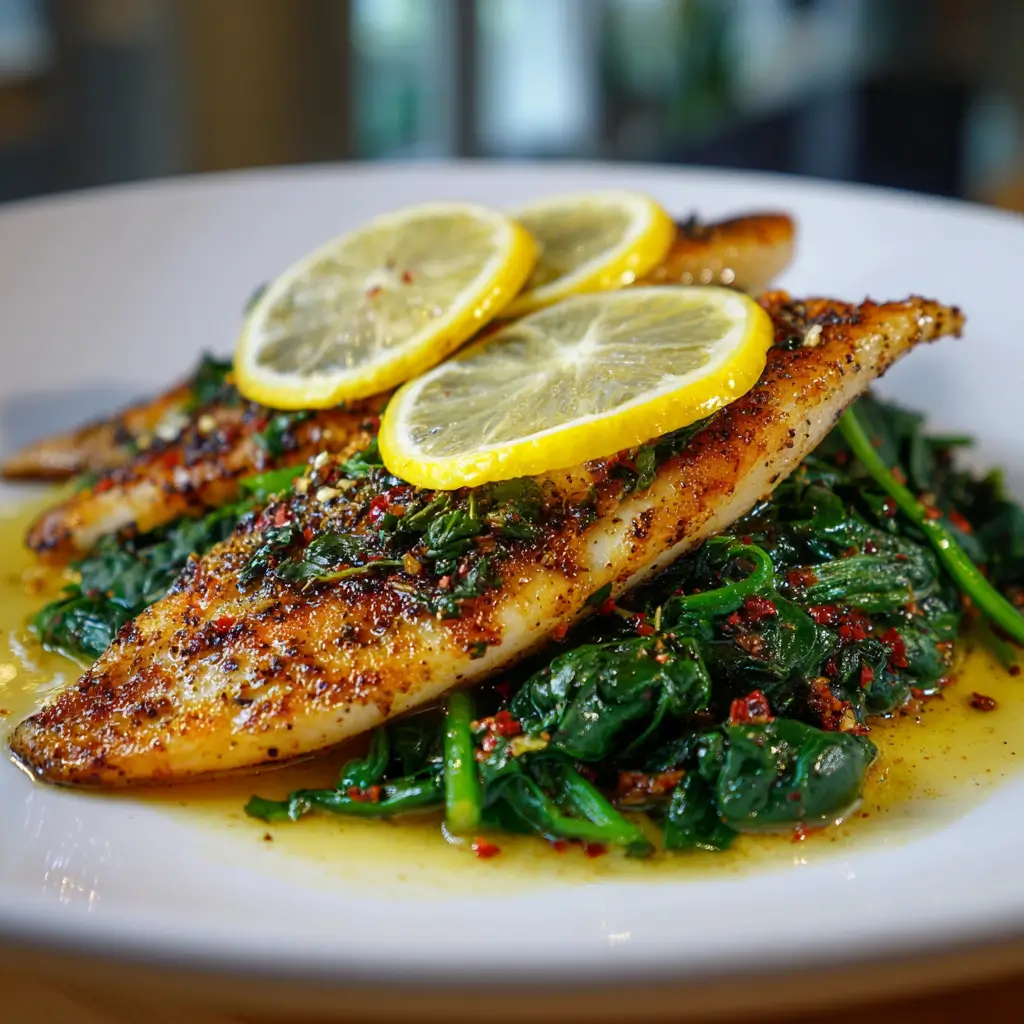
Lemon Butter Garlic Tilapia with Spinach: A Zesty, Healthy Delight
Looking for a quick, nutritious, and flavorful dinner that’s ready in under 30 minutes? Look no further than Lemon Butter Garlic Tilapia with Spinach. This dish combines the mild, flaky texture of tilapia with the bright acidity of lemon, the rich aroma of garlic, and the earthy freshness of spinach, all brought together with a luxurious butter sauce. It’s a restaurant-quality meal that you can easily prepare at home, perfect for weeknight dinners or impressing guests at a weekend gathering. Packed with protein, heart-healthy fats, and essential vitamins from leafy greens, this recipe is as nourishing as it is delicious.
The History Behind the Dish
While there isn’t a single documented origin for Lemon Butter Garlic Tilapia with Spinach, its roots lie in classic European and Mediterranean cooking traditions. The use of butter, garlic, and lemon to enhance fish dates back centuries—particularly in French and Italian cuisines. Dishes like truite au beurre noir (trout in brown butter) and spaghetti aglio e olio showcase the timeless trio of butter, garlic, and citrus. Over time, these techniques were adapted using more accessible white fish such as tilapia, especially in American kitchens during the late 20th century, as tilapia became widely farmed and available due to its sustainability and mild flavor profile.
The addition of spinach likely evolved from the popularity of green vegetables in healthy Western diets and their compatibility with creamy, tangy sauces. Today, this dish represents a modern fusion of traditional flavors and contemporary health-conscious cooking, blending simplicity with elegance. It reflects a growing trend toward light yet satisfying meals that emphasize fresh ingredients and bold, clean tastes.
Ingredients Breakdown: What Makes This Dish Shine
The magic of Lemon Butter Garlic Tilapia with Spinach lies in the harmony of simple, high-quality ingredients. Each component plays a crucial role in building layers of flavor, texture, and nutrition.
- Tilapia Fillets: A lean, mild-tasting white fish that absorbs flavors beautifully. It cooks quickly and flakes easily, making it ideal for pan-searing.
- Fresh Spinach: Adds color, nutrients, and a tender bite. Baby spinach wilts perfectly into the sauce without overpowering the dish.
- Unsalted Butter: Provides richness and helps create a silky sauce. Using unsalted butter allows better control over the salt content.
- Fresh Garlic: Minced garlic infuses the oil and butter with aromatic depth. Fresh is always best here—avoid pre-minced jars for optimal taste.
- Lemon: Both juice and zest are used. The juice adds brightness and balances the richness, while the zest intensifies the citrus aroma.
- Olive Oil: Used for searing the fish to prevent sticking and add a subtle fruitiness.
- White Wine (optional): Deglazes the pan, lifting browned bits and adding complexity to the sauce. Substitute with chicken broth if avoiding alcohol.
- Salt and Black Pepper: Essential seasonings that enhance all other flavors.
- Red Pepper Flakes (optional): For a hint of heat—perfect for those who enjoy a little spice.
- Fresh Parsley or Basil: Chopped herbs added at the end for freshness and visual appeal.
Using fresh, high-quality ingredients makes a noticeable difference in both taste and texture. Organic or wild-caught tilapia, if available, can elevate the dish even further.
Step-by-Step Recipe: How to Make Lemon Butter Garlic Tilapia with Spinach
Follow these detailed steps to create a perfectly balanced, restaurant-worthy meal in your own kitchen.
- Prep the Ingredients: Pat the tilapia fillets dry with paper towels—this ensures a good sear. Season both sides lightly with salt and black pepper. Mince 4 cloves of garlic. Juice one large lemon (about 1/4 cup) and finely grate the zest. Chop a handful of fresh parsley. Measure out 2 tablespoons of unsalted butter, 2 tablespoons olive oil, 1/2 cup white wine (or broth), and have 5–6 cups of fresh baby spinach ready.
- Sear the Fish: Heat a large skillet (preferably stainless steel or cast iron) over medium-high heat. Add 1 tablespoon of olive oil. Once shimmering, place the tilapia fillets in the pan, smooth side down. Sear for 3–4 minutes until golden brown. Carefully flip and cook for another 2–3 minutes until just cooked through. The internal temperature should reach 145°F (63°C), and the flesh should flake easily. Transfer the fish to a plate and cover loosely with foil to keep warm.
- Sauté the Aromatics: In the same skillet, reduce the heat to medium. Add the remaining 1 tablespoon of olive oil. Add minced garlic and sauté for 30 seconds to 1 minute, stirring constantly to prevent burning. If using red pepper flakes, add them now (start with 1/4 teaspoon).
- Deglaze the Pan: Pour in the white wine (or chicken broth), scraping the bottom of the pan with a wooden spoon to release any flavorful browned bits (fond). Let it simmer for 1–2 minutes until slightly reduced.
- Add Spinach: Gradually add the spinach in batches, stirring as it wilts. This process takes about 2–3 minutes. Once all spinach is wilted and tender, continue to simmer gently.
- Create the Lemon Butter Sauce: Reduce the heat to low. Stir in the butter one tablespoon at a time, letting each melt before adding the next. This emulsifies the sauce, giving it a glossy, velvety texture. Add the lemon juice and zest, stir well, and season with additional salt and pepper to taste. Avoid boiling after adding butter to prevent separation.
- Return the Fish: Gently place the seared tilapia fillets back into the skillet, spooning the sauce over them. Let them warm through for 1–2 minutes.
- Finish and Serve: Sprinkle with chopped fresh parsley or basil. Serve immediately with the spinach and sauce spooned around or under the fish.
Tips for Perfect Results Every Time
- Don’t Overcook the Fish: Tilapia cooks quickly. Overcooking leads to dry, rubbery texture. Remove it from the heat just before it looks completely done—it will continue to cook slightly from residual heat.
- Use Fresh Lemon: Bottled lemon juice lacks the bright, vibrant flavor of fresh-squeezed. Always opt for fresh lemons.
- Control the Heat: Garlic burns easily. Keep the heat at medium when sautéing to avoid bitterness.
- Baste the Fish: While searing, you can spoon hot oil over the top of the fillets for more even cooking and enhanced flavor.
- Let the Pan Do the Work: Don’t stir the fish once it hits the pan. Allow a proper sear to form before flipping.
- Wilt Spinach Gradually: Adding all the spinach at once can cool the pan too quickly. Add in batches and let each portion wilt before adding more.
- Butter Emulsion Tip: Keep the sauce on low heat when adding butter. High heat can cause the sauce to break (separate).
- Rest the Fish: Allowing the fish to rest briefly after searing helps retain moisture.
Variations and Customizations
This versatile recipe can be adapted to suit different tastes, dietary needs, and ingredient availability.
- Protein Swap: Replace tilapia with cod, halibut, sea bass, or even salmon for a richer flavor. Chicken breast can also work for a non-seafood version.
- Creamy Version: Stir in 1/4 cup heavy cream or coconut milk for a richer, more decadent sauce.
- Dairy-Free Option: Use olive oil or a plant-based butter alternative instead of dairy butter.
- Gluten-Free Friendly: This recipe is naturally gluten-free. Just ensure all added ingredients (like broth) are certified GF if needed.
- Add More Veggies: Incorporate sliced mushrooms, cherry tomatoes, artichoke hearts, or zucchini along with the spinach.
- Herb Variations: Try thyme, dill, or tarragon instead of parsley for a different aromatic profile.
- Spice It Up: Increase red pepper flakes or add a dash of cayenne for more heat.
- Low-Carb/Keto: This dish fits perfectly into low-carb and ketogenic diets. Serve with cauliflower rice or roasted vegetables.
- Whole30/Paleo: Use ghee instead of butter and ensure broth is compliant.
- Lemon Alternatives: Try lime or orange for a citrus twist—especially great with tropical-inspired variations.
Health Considerations and Nutritional Value
Lemon Butter Garlic Tilapia with Spinach is not only delicious but also offers numerous health benefits when prepared mindfully.
- High-Quality Protein: Tilapia provides about 26g of protein per 4-ounce fillet, supporting muscle repair and satiety.
- Low in Calories: A full serving (fish + sauce + spinach) contains approximately 300–380 calories, depending on butter and oil amounts.
- Rich in Vitamins and Minerals: Spinach is loaded with vitamin K, vitamin A, folate, iron, and antioxidants. Lemon adds vitamin C, which aids iron absorption from spinach.
- Heart-Healthy Fats: Olive oil contributes monounsaturated fats, known to support cardiovascular health.
- Omega-3 Fatty Acids: While tilapia has less omega-3 than fatty fish like salmon, it still provides some anti-inflammatory benefits.
- Digestive Health: The fiber in spinach supports digestion and gut health.
- Low Mercury Risk: Tilapia is considered a low-mercury fish, making it a safer option for pregnant women and children (in moderation).
Nutrition Estimate (per serving, serves 4):
| Nutrient | Amount |
|---|---|
| Calories | 320 |
| Protein | 28g |
| Total Fat | 18g |
| Saturated Fat | 6g |
| Carbohydrates | 7g |
| Dietary Fiber | 4g |
| Sugars | 2g |
| Vitamin A | 180% DV |
| Vitamin C | 60% DV |
| Iron | 15% DV |
| Calcium | 10% DV |
Note: Values may vary based on specific ingredients and portion sizes. To reduce fat content, use less butter or substitute with a lighter sauce base using extra broth and lemon.
Ingredients
- 4 tilapia fillets (about 4 oz each), skinless
- 2 tablespoons olive oil, divided
- Salt and freshly ground black pepper, to taste
- 4 cloves garlic, minced
- 1/4 teaspoon red pepper flakes (optional)
- 1/2 cup dry white wine (such as Sauvignon Blanc) or chicken broth
- 5–6 cups fresh baby spinach (about 5 oz)
- 2 tablespoons unsalted butter
- Juice and zest of 1 large lemon (about 1/4 cup juice)
- 2 tablespoons fresh parsley or basil, chopped
Directions
- Pat tilapia fillets dry with paper towels and season both sides with salt and pepper.
- In a large skillet over medium-high heat, warm 1 tablespoon olive oil. Add tilapia and sear for 3–4 minutes per side until golden and cooked through. Transfer to a plate and cover to keep warm.
- Reduce heat to medium. Add remaining olive oil to the same skillet. Sauté garlic and red pepper flakes (if using) for 30–60 seconds until fragrant.
- Pour in white wine or broth, scraping up browned bits. Simmer 1–2 minutes until slightly reduced.
- Add spinach in batches, stirring until wilted and tender, about 2–3 minutes.
- Reduce heat to low. Stir in butter one tablespoon at a time, allowing each to melt fully. Add lemon juice and zest, then season with salt and pepper.
- Return tilapia to the skillet, spooning sauce over the fillets. Warm for 1–2 minutes.
- Remove from heat, sprinkle with fresh herbs, and serve immediately.
FAQ
Can I use frozen tilapia?
Yes, but thaw it completely in the refrigerator overnight for best texture. Pat dry thoroughly before cooking to ensure proper searing.
What can I serve with this dish?
Excellent pairings include quinoa, brown rice, mashed potatoes, roasted sweet potatoes, or crusty whole-grain bread to soak up the sauce. A simple arugula salad with vinaigrette also complements it well.
Can I make this ahead of time?
It’s best served fresh. However, you can prep ingredients (chop garlic, juice lemon, measure spices) in advance. Reheat gently to avoid overcooking the fish.
How do I store leftovers?
Store in an airtight container in the refrigerator for up to 2 days. Reheat gently on the stove or in a microwave at reduced power to prevent drying out the fish.
Is tilapia sustainable?
It depends on the source. Look for tilapia certified by organizations like Aquaculture Stewardship Council (ASC) or labeled as responsibly farmed. Wild-caught is rare; most is farmed.
Why did my sauce separate?
Butter sauces can break if heated too much after emulsifying. To fix, remove from heat and whisk in a teaspoon of cold water or lemon juice. Keep the temperature low when adding butter.
Can I use garlic powder instead of fresh garlic?
Fresh is highly recommended for superior flavor. If necessary, use 1/2 teaspoon garlic powder, but add it with the liquids to avoid burning.
Summary
Lemon Butter Garlic Tilapia with Spinach is a quick, elegant, and nutrient-rich dish that brings together flaky fish, vibrant greens, and a zesty citrus-butter sauce. Perfect for healthy weeknight meals or special occasions, it’s a flavorful, balanced recipe that satisfies both the palate and the body.