Garlic Butter Shrimp with Rice Pilaf: A Gourmet Comfort Classic
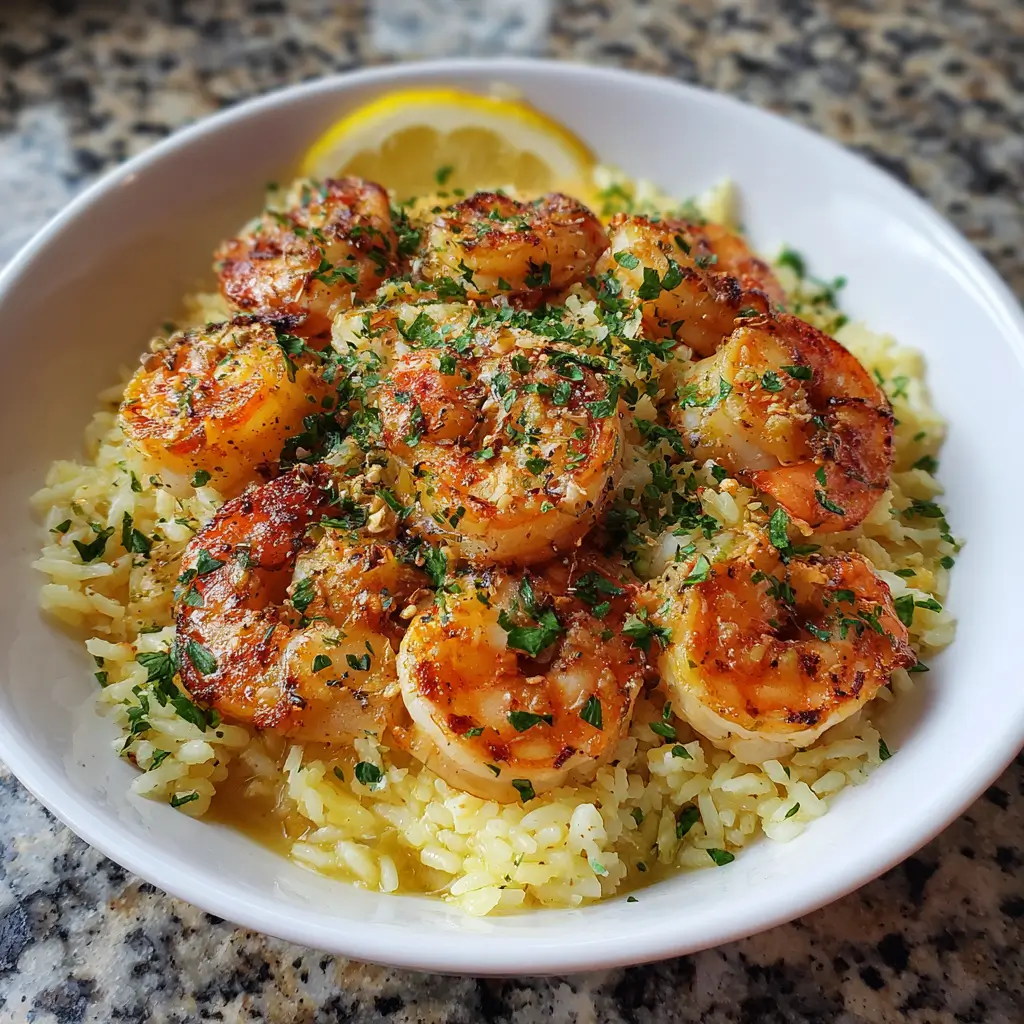
The allure of Garlic Butter Shrimp with Rice Pilaf lies in its perfect harmony of rich, savory flavors and comforting textures. This dish brings together succulent shrimp bathed in a luxurious garlic butter sauce, served atop a bed of fluffy, aromatic rice pilaf. It’s a meal that feels indulgent yet can be prepared in under 30 minutes, making it ideal for weeknight dinners or impressing guests at weekend gatherings. The golden hues of the sautéed shrimp, the fragrant aroma of garlic and herbs, and the buttery richness create an experience that delights both the palate and the senses.
The History
The roots of Garlic Butter Shrimp trace back to coastal regions where fresh seafood has long been a staple. Dishes featuring shrimp cooked quickly in butter and garlic are common across Mediterranean cuisines, particularly in France, Italy, and Spain. French cuisine popularized the technique of sautéing seafood in clarified butter (beurre blanc style), while Italian preparations often use olive oil and abundant garlic—a method known as “aglio e olio.” Over time, American home cooks adopted and adapted these European techniques, creating a hybrid version enriched with heavy cream, lemon juice, and fresh herbs like parsley and thyme.
Rice pilaf, on the other hand, originates from Middle Eastern and Central Asian culinary traditions, where rice was traditionally toasted in fat before being simmered in broth to enhance flavor and texture. The word “pilaf” comes from the Persian “polow,” which refers to rice dishes cooked in seasoned broth. As trade routes expanded, so did the popularity of pilaf, evolving into regional variations across Turkey, India, and the Balkans. In modern American kitchens, boxed rice pilaf mixes became popular in the mid-20th century, but gourmet versions emphasize homemade broths, sautéed onions, and aromatic spices.
Combining these two elements—garlic butter shrimp and rice pilaf—represents a fusion of global influences into one cohesive, satisfying plate. Today, this pairing is celebrated not only for its deliciousness but also for its balance of protein, carbohydrates, and healthy fats, making it a favorite among food lovers and chefs alike.
Ingredients Breakdown
To fully appreciate the depth and complexity of Garlic Butter Shrimp with Rice Pilaf, it’s important to understand each ingredient’s role in building layers of flavor and texture.
For the Garlic Butter Shrimp:
- Large Shrimp (31–40 count): Peeled and deveined, tails on or off based on preference. Fresh or previously frozen shrimp work well; their mild sweetness pairs beautifully with bold seasonings.
- Unsalted Butter: Provides richness and helps carry the flavors of garlic and herbs. Using unsalted allows control over salt content.
- Extra Virgin Olive Oil: Adds fruitiness and prevents the butter from burning during high-heat cooking.
- Fresh Garlic: Minced finely to release maximum aroma without becoming bitter when sautéed.
- Shallot (optional): Offers a subtle onion-like sweetness that enhances the sauce without overpowering.
- White Wine (dry variety like Sauvignon Blanc or Pinot Grigio): Deglazes the pan and adds acidity and complexity to the sauce.
- Lemon Juice: Brightens the dish and balances the richness of the butter.
- Red Pepper Flakes: Introduce a gentle heat that complements the garlic and shrimp.
- Fresh Parsley: Chopped for garnish and freshness; cilantro can be used as an alternative for a different herbal note.
- Salt and Black Pepper: Essential for seasoning throughout the process.
- Paprika or Smoked Paprika (optional): For color and a hint of smokiness.
For the Rice Pilaf:
- Long-Grain White Rice (such as Basmati or Jasmine): Preferred for its non-sticky texture and ability to absorb flavors.
- Chicken or Vegetable Broth: Instead of water, broth deepens the savory profile of the rice.
- Butter or Olive Oil: Used to toast the rice grains before adding liquid, enhancing nuttiness and preventing clumping.
- Onion or Shallot: Finely diced and sautéed to form the flavor base.
- Garlic: Minced and added with the onion for aromatic depth.
- Dried Thyme or Herbes de Provence: Earthy herbs that complement the rice and pair well with the shrimp.
- Bay Leaf: Simmered with the rice to add a subtle woody note.
- Peas (frozen or fresh): Optional addition for color, sweetness, and nutrition.
- Lemon Zest: Added at the end for brightness.
- Toasted Almonds or Pine Nuts (optional): For crunch and elegance.
Step-by-Step Recipe
Preparing the Rice Pilaf
- In a medium saucepan, melt 2 tablespoons of butter over medium heat.
- Add ½ cup finely diced onion or shallot and sauté until translucent, about 3–4 minutes.
- Stir in 1 minced garlic clove and cook for 30 seconds until fragrant.
- Add 1 cup of long-grain white rice and stir continuously for 2–3 minutes until the rice turns slightly golden and smells nutty.
- Pour in 2 cups of warm chicken or vegetable broth, ensuring all rice is submerged.
- Add ½ teaspoon dried thyme, 1 bay leaf, and a pinch each of salt and black pepper.
- Bring to a boil, then reduce heat to low, cover tightly with a lid, and simmer for 16–18 minutes, or until the liquid is absorbed and the rice is tender.
- Remove from heat and let sit, covered, for 5 minutes. Discard the bay leaf.
- Fluff the rice with a fork. Stir in ½ cup of peas (if using), 1 teaspoon lemon zest, and 2 tablespoons of chopped parsley. Optionally, fold in 2 tablespoons of toasted sliced almonds or pine nuts for added texture.
Preparing the Garlic Butter Shrimp
- While the rice is cooking, pat 1 pound of shrimp dry with paper towels. Season lightly with salt, black pepper, and a pinch of paprika.
- In a large skillet, heat 1 tablespoon of olive oil and 1 tablespoon of butter over medium-high heat.
- Add the shrimp in a single layer and sear for 1–2 minutes per side until pink and opaque. Remove and set aside.
- In the same skillet, reduce heat to medium and add 3 tablespoons of butter.
- Stir in 4–5 cloves of minced garlic and ¼ teaspoon red pepper flakes. Cook for 30–60 seconds until fragrant but not browned.
- If desired, add 1 finely diced shallot and sauté for 2 minutes until soft.
- Pour in ¼ cup of dry white wine and allow it to simmer for 2–3 minutes until reduced by half.
- Squeeze in juice from half a lemon (about 1–2 tablespoons).
- Return the cooked shrimp to the pan, tossing to coat evenly in the sauce. Cook for another 1 minute to reheat.
- Finish with 2 tablespoons of chopped fresh parsley and adjust seasoning with salt and pepper to taste.
Serving
Serve the garlic butter shrimp over a generous portion of warm rice pilaf. Spoon extra sauce from the pan over the top. Garnish with additional parsley, a lemon wedge, and a sprinkle of red pepper flakes for visual appeal and flavor boost.
Tips
- Dry the Shrimp Thoroughly: Moisture causes steaming instead of searing, leading to rubbery texture. Always pat shrimp dry before cooking.
- Don’t Overcook the Shrimp: They continue to cook slightly after removal from heat. Remove them from the pan once they turn opaque with a slight C-shape curl.
- Toast the Rice Well: Toasting rice before adding liquid enhances flavor and ensures fluffier results.
- Use Warm Broth: Cold broth slows down cooking and may result in uneven texture.
- Let Rice Rest After Cooking: Allowing the rice to steam off-heat for 5 minutes improves texture and moisture distribution.
- Make Sauce First, Then Combine: Sautéing the garlic butter sauce after removing the shrimp prevents overcooking while allowing deeper flavor development.
- Balance Acidity: Taste the sauce before serving. If too rich, add more lemon juice. If too tart, swirl in a bit more butter.
- Prep Ahead: Mince garlic, chop herbs, and measure ingredients beforehand—this dish cooks fast!
- Reserve Some Parsley for Garnish: Fresh green color makes the dish visually appealing.
- Serve Immediately: Both components are best enjoyed hot; rice can become gummy if left sitting.
Variations and Customizations
This recipe is highly adaptable to suit dietary preferences, seasonal ingredients, and cultural twists:
- Creamy Version: Stir in ¼ cup of heavy cream or crème fraîche at the end of the shrimp preparation for a richer, velvety sauce.
- Spicy Kick: Increase red pepper flakes or add a dash of cayenne or harissa paste for extra heat.
- Herb Variations: Substitute parsley with dill, chives, or tarragon for a unique twist. Basil works well for a Mediterranean flair.
- Seafood Swap: Use scallops, mussels, or firm white fish like cod in place of shrimp.
- Dairy-Free Option: Replace butter with vegan butter or olive oil, and ensure broth is dairy-free.
- Gluten-Free Friendly: Naturally gluten-free as written—just confirm broth and seasonings are GF-certified.
- Low-Carb/Keto Adaptation: Serve the garlic butter shrimp over sautéed zucchini noodles, cauliflower rice, or grilled asparagus instead of rice pilaf.
- Asian-Inspired Twist: Replace white wine with mirin, add ginger, soy sauce, and sesame oil, and serve over jasmine rice.
- Mediterranean Style: Add sun-dried tomatoes, kalamata olives, artichoke hearts, and feta cheese to the shrimp mixture.
- Smoky Flavor: Use smoked paprika and a touch of liquid smoke for a barbecue-inspired version.
- With Tomatoes: Add diced cherry tomatoes during the last minute of shrimp cooking for freshness and acidity.
- Nut-Free Pilaf: Omit almonds or pine nuts, or replace with toasted breadcrumbs or sunflower seeds.
- Vegan Alternative: Use plant-based shrimp (available in some markets) and substitute vegetable broth and oil for butter.
Health Considerations and Nutritional Value
Garlic Butter Shrimp with Rice Pilaf can be part of a balanced diet when enjoyed in moderation and prepared with mindful ingredient choices.
Nutritional Highlights:
- Shrimp: Low in calories and fat, high in protein, selenium, iodine, and omega-3 fatty acids. One 3-ounce serving contains approximately 84 calories, 18g protein, and less than 1g fat.
- Garlic: Known for its immune-boosting properties, anti-inflammatory effects, and potential cardiovascular benefits due to allicin content.
- Lemon Juice: Rich in vitamin C and antioxidants, supports digestion and iron absorption.
- Olive Oil: Contains heart-healthy monounsaturated fats and polyphenols linked to reduced inflammation.
- Rice Pilaf (with broth and veggies): Provides energy through complex carbohydrates. When made with whole grain rice (like brown basmati), fiber and nutrient content increase significantly.
Considerations:
- Butter and Fat Content: While flavorful, butter increases saturated fat. To lighten the dish, use mostly olive oil and limit butter to 1–2 tablespoons total.
- Sodium Levels: Store-bought broths and pre-seasoned shrimp may contain high sodium. Opt for low-sodium broth and season to taste.
- Portion Control: A typical serving includes 4–6 oz shrimp and ¾–1 cup rice pilaf. Larger portions can increase calorie and carbohydrate intake.
- Allergens: Contains shellfish (shrimp) and dairy (butter). Can be modified for allergies using alternatives as noted above.
- Cholesterol: Shrimp naturally contains cholesterol, though recent research suggests dietary cholesterol has minimal impact on blood cholesterol for most people.
Estimated Nutritional Profile (per serving, serves 4):
| Nutrient | Amount |
|---|---|
| Calories | 420–480 kcal |
| Protein | 28–32g |
| Total Fat | 18–22g |
| Saturated Fat | 8–10g |
| Carbohydrates | 38–42g |
| Fiber | 2–3g |
| Sugar | 3–5g |
| Sodium | 600–800mg (adjustable) |
| Vitamin C | 20–30% DV |
| Iron | 15–20% DV |
Note: Values vary depending on specific ingredients and substitutions.
Ingredients
Garlic Butter Shrimp:
- 1 lb (450g) large shrimp, peeled and deveined
- 4 tbsp unsalted butter, divided
- 1 tbsp extra virgin olive oil
- 4–5 garlic cloves, minced
- ¼ tsp red pepper flakes (adjust to taste)
- ¼ cup dry white wine (e.g., Sauvignon Blanc)
- 1 tbsp fresh lemon juice (½ lemon)
- 2 tbsp fresh parsley, chopped (plus extra for garnish)
- Salt and freshly ground black pepper, to taste
- ½ tsp paprika (optional)
Rice Pilaf:
- 1 cup long-grain white rice (Basmati or Jasmine)
- 2 cups chicken or vegetable broth, warmed
- 2 tbsp butter or olive oil
- ½ small onion or 1 shallot, finely diced
- 1 garlic clove, minced
- ½ tsp dried thyme
- 1 bay leaf
- Salt and pepper, to taste
- ½ cup frozen peas, thawed
- 1 tsp lemon zest
- 2 tbsp chopped parsley
- 2 tbsp sliced almonds or pine nuts, toasted (optional)
Directions
- Begin by preparing the rice pilaf. In a medium saucepan, melt 2 tablespoons of butter over medium heat. Add diced onion and sauté until soft and translucent (3–4 minutes).
- Add minced garlic and cook for 30 seconds until fragrant. Stir in 1 cup of rice and toast for 2–3 minutes, stirring frequently, until lightly golden.
- Pour in 2 cups of warm broth. Add thyme, bay leaf, salt, and pepper. Bring to a boil.
- Reduce heat to low, cover, and simmer for 16–18 minutes until liquid is absorbed and rice is tender. Remove from heat and let stand, covered, for 5 minutes. Discard bay leaf.
- Fluff rice with a fork. Stir in peas, lemon zest, parsley, and toasted nuts (if using). Keep warm.
- Pat shrimp dry and season with salt, pepper, and paprika. Heat 1 tablespoon olive oil and 1 tablespoon butter in a large skillet over medium-high heat.
- Add shrimp in a single layer and cook 1–2 minutes per side until just pink and opaque. Transfer to a plate.
- In the same skillet, melt remaining 3 tablespoons butter over medium heat. Add garlic and red pepper flakes; sauté 30–60 seconds until aromatic.
- If desired, add shallot and cook until softened (2 minutes).
- Pour in white wine and simmer 2–3 minutes until reduced by half. Stir in lemon juice.
- Return shrimp to the skillet, tossing to coat in sauce. Heat through for 1 minute.
- Remove from heat. Stir in 2 tablespoons fresh parsley. Adjust seasoning.
- Serve immediately over warm rice pilaf. Garnish with extra parsley and lemon wedges.
FAQ
Can I use frozen shrimp?
Yes, but ensure they are fully thawed and patted dry before cooking to prevent excess moisture and steaming.
Can I make this ahead of time?
The rice pilaf can be made up to 2 hours in advance and reheated gently with a splash of broth. However, shrimp are best cooked fresh and served immediately to maintain texture.
What kind of rice is best for pilaf?
Long-grain varieties like Basmati or Jasmine are ideal because they stay fluffy and separate when cooked.
Is this dish spicy?
Only mildly so due to red pepper flakes. You can omit them entirely or increase for more heat.
Can I use margarine instead of butter?
You can, but real butter provides superior flavor and mouthfeel. For dairy-free, use a quality plant-based butter substitute.
What wine should I use?
A dry white wine such as Sauvignon Blanc, Pinot Grigio, or Chardonnay works best. Avoid “cooking wine” as it contains added salt and preservatives.
How do I store leftovers?
Store in an airtight container in the refrigerator for up to 2 days. Reheat gently in a skillet with a splash of broth or water to revive moisture.
Can I freeze this dish?
It’s not recommended, as shrimp tend to become tough and rubbery upon freezing and reheating. The rice may also dry out or become mushy.
What sides go well with this dish?
Steamed asparagus, roasted broccoli, arugula salad with lemon vinaigrette, or crusty bread to soak up the sauce.
Can I double the recipe?
Absolutely! Just use a larger skillet or work in batches when searing the shrimp to avoid overcrowding.
Summary
Garlic Butter Shrimp with Rice Pilaf is a restaurant-quality meal that combines tender shrimp in a fragrant garlic-lemon butter sauce with fluffy, herb-infused rice pilaf. Quick to prepare and endlessly customizable, it delivers comfort and elegance in every bite.