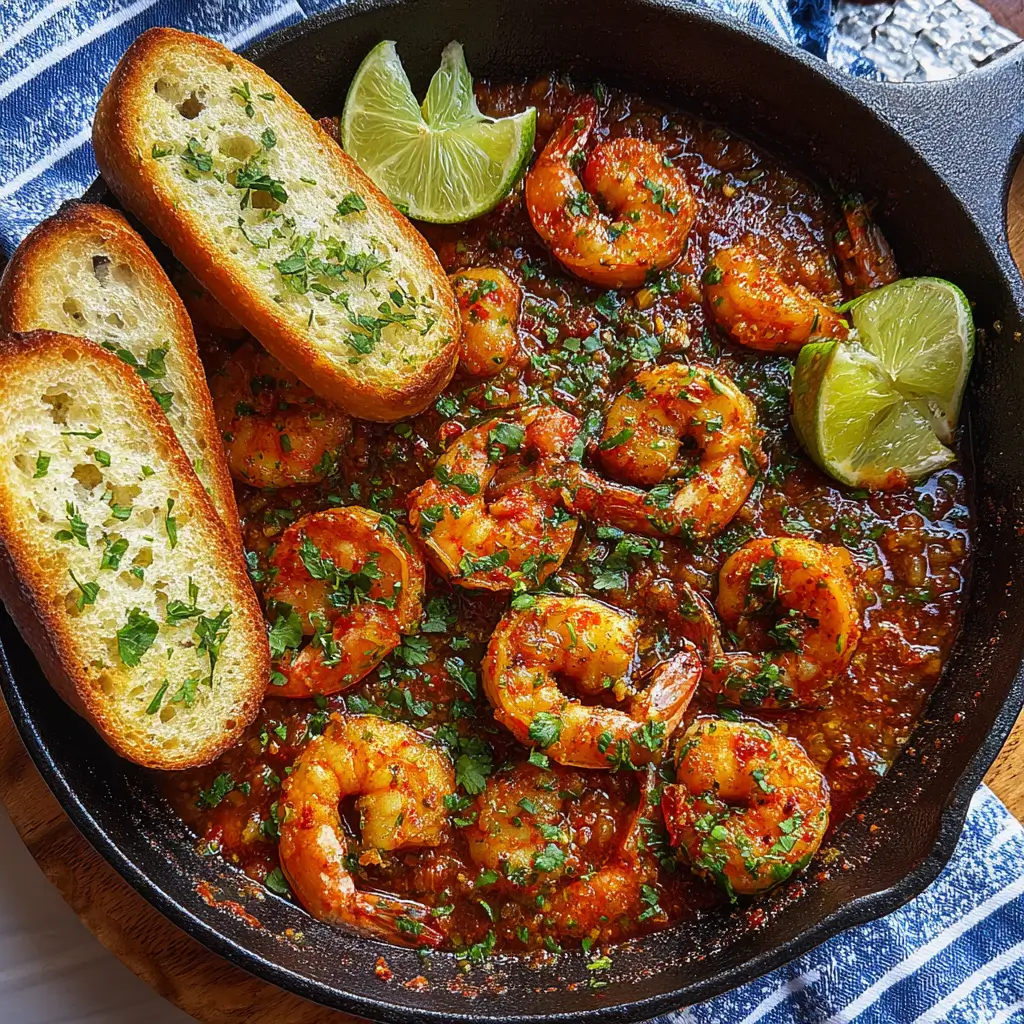
Spicy Garlic Butter Shrimp Skillet: A Flavor-Packed One-Pan Wonder
The History
The Spicy Garlic Butter Shrimp Skillet is a modern culinary creation that blends the rich traditions of Creole and Cajun cooking with contemporary American home cooking. Originating from the Gulf Coast region—particularly Louisiana—this dish draws inspiration from classic seafood preparations that emphasize bold flavors, aromatic spices, and quick-cooking techniques. Dishes like shrimp étouffée, garlic butter shrimp pasta, and blackened shrimp all contributed to the evolution of this skillet recipe.
As home cooks sought faster, more convenient ways to prepare restaurant-quality meals, one-pan recipes surged in popularity. The Spicy Garlic Butter Shrimp Skillet emerged as a favorite due to its simplicity, vibrant taste, and minimal cleanup. It reflects the global influence of Mediterranean garlic butter techniques combined with Southern heat, making it a beloved staple in weeknight dinners across the United States and beyond. Today, it’s a go-to for busy families, foodies, and health-conscious eaters alike who crave something delicious without sacrificing time or flavor.
Ingredients Breakdown
What makes the Spicy Garlic Butter Shrimp Skillet so irresistible is its balance of rich, savory, spicy, and tangy elements—all achieved through a carefully curated list of ingredients:
- Shrimp: Large or jumbo shrimp (peeled and deveined) are ideal for their meaty texture and ability to absorb flavors quickly without overcooking.
- Butter: Unsalted butter forms the luxurious base of the sauce, lending creaminess and depth. Some recipes use a mix of butter and olive oil to prevent burning while enhancing flavor.
- Garlic: Freshly minced garlic is non-negotiable—it provides the aromatic heart of the dish. Don’t skimp; garlic lovers will appreciate the bold punch.
- Crushed Red Pepper Flakes: These deliver controlled heat. Adjustable based on preference, they infuse the butter with a warm, lingering spice.
- Paprika: Adds smokiness and color. Sweet, smoked, or hot paprika can be used depending on your desired flavor profile.
- Lemon Juice: Freshly squeezed lemon juice brightens the entire dish, cutting through the richness of the butter and balancing the heat.
- White Wine (optional): Deglazing the pan with dry white wine adds complexity and acidity, enhancing the overall umami depth.
- Fresh Herbs: Parsley and/or cilantro add freshness and a pop of color. Basil or chives can also be used for variation.
- Salt & Black Pepper: Essential seasonings to round out the flavors.
- Optional Add-ins: Cherry tomatoes, spinach, bell peppers, or mushrooms can be sautéed alongside the shrimp for added nutrition and texture.
Step-by-Step Recipe
- Prepare Ingredients: Pat the shrimp dry with paper towels to ensure proper searing. Mince garlic, chop parsley, and measure out all spices and liquids. Having everything ready before heating the pan is crucial since the cooking process moves quickly.
- Heat the Skillet: Place a large cast-iron or stainless steel skillet over medium-high heat. Add 1 tablespoon of olive oil and 1 tablespoon of butter. Allow them to melt and shimmer but not brown.
- Sear the Shrimp: Add the shrimp in a single layer, making sure not to overcrowd. Cook for about 1–2 minutes per side until they turn pink and opaque. Remove the shrimp and set aside on a plate—do not overcook at this stage.
- Sauté Aromatics: In the same skillet, reduce heat to medium. Add another tablespoon of butter, then stir in 4–6 cloves of minced garlic and ½ teaspoon of crushed red pepper flakes. Sauté for 30–60 seconds until fragrant—be careful not to burn the garlic.
- Add Spices and Liquids: Stir in 1 teaspoon of paprika (smoked or sweet), a pinch of salt, and freshly ground black pepper. Pour in ¼ cup of dry white wine (or chicken broth if avoiding alcohol) to deglaze the pan, scraping up any browned bits. Let it simmer for 1–2 minutes until slightly reduced.
- Finish the Sauce: Reduce heat to low. Stir in 2 more tablespoons of cold butter, one at a time, swirling until fully melted and emulsified into a silky sauce. This creates a glossy, restaurant-quality finish.
- Return Shrimp: Add the cooked shrimp back into the skillet. Toss gently to coat in the sauce and warm through for about 1 minute.
- Final Touches: Remove from heat. Stir in 2 tablespoons of fresh lemon juice and a generous handful of chopped parsley. Taste and adjust seasoning—more lemon for brightness, more red pepper for heat, or a drizzle of honey for balance.
- Serve Immediately: Spoon the shrimp and sauce into shallow bowls or over a bed of rice, quinoa, pasta, or crusty bread for soaking up every drop.
Tips
- Don’t Overcook the Shrimp: Shrimp cook extremely fast. They’re done when they form a loose “C” shape. If they curl tightly into an “O”, they’re overcooked and will be rubbery.
- Use Cold Butter for Emulsification: Adding cold butter at the end helps create a creamy, cohesive sauce rather than a greasy separation.
- Dry Shrimp for Better Searing: Moisture is the enemy of browning. Always pat shrimp dry before adding them to the pan.
- Control the Heat: Keep the temperature steady. Too high, and the garlic burns; too low, and the butter won’t emulsify properly.
- Fresh Lemon is Key: Bottled lemon juice lacks the vibrant zing needed to balance the richness. Always use freshly squeezed.
- Rest Before Serving: Let the dish sit for 1–2 minutes after cooking to allow flavors to meld together.
- Serve Hot: This dish cools quickly. Serve immediately for the best texture and flavor experience.
Variations and Customizations
The beauty of the Spicy Garlic Butter Shrimp Skillet lies in its versatility. Here are some creative twists to keep it exciting:
- Creamy Version: Stir in ¼ cup of heavy cream or coconut milk for a richer, luscious sauce. Perfect served over fettuccine.
- Asian-Inspired: Swap butter for sesame oil, add ginger, soy sauce, and a splash of rice vinegar. Garnish with green onions and sesame seeds.
- Mediterranean Style: Add sun-dried tomatoes, Kalamata olives, capers, and oregano. Finish with crumbled feta cheese.
- Spicier Kick: Replace red pepper flakes with diced jalapeño, serrano, or a dash of cayenne pepper. Add a few drops of hot sauce like Tabasco or Sriracha.
- Low-Carb/Keto-Friendly: Serve over cauliflower rice, zucchini noodles, or simply enjoy as-is for a high-protein, low-carb meal.
- Vegetable-Packed: Sauté sliced bell peppers, zucchini, cherry tomatoes, or spinach along with the garlic for a complete one-pan meal.
- Herb Variations: Try dill, tarragon, or thyme for different herbal notes. Basil pairs beautifully with tomatoes and lemon.
- Wine-Free Option: Substitute white wine with vegetable or seafood broth, or even a splash of clam juice for depth.
Health Considerations and Nutritional Value
When prepared mindfully, the Spicy Garlic Butter Shrimp Skillet can be both indulgent and nutritious. Here’s a breakdown of its health aspects:
- High-Quality Protein: Shrimp is an excellent source of lean protein, providing about 20g per 3-ounce serving, supporting muscle maintenance and satiety.
- Low in Calories: A typical serving (without sides) ranges between 250–350 calories, depending on butter and oil usage.
- Rich in Nutrients: Shrimp contains selenium, vitamin B12, phosphorus, and iodine—important for thyroid function and metabolism.
- Omega-3 Fatty Acids: While not as high as fatty fish, shrimp still offer some heart-healthy fats.
- Butter vs. Healthier Fats: Traditional recipes use butter, which is high in saturated fat. For a lighter version, substitute half the butter with olive oil or avocado oil.
- Sodium Awareness: Store-bought shrimp may contain added sodium. Opt for fresh, untreated shrimp when possible. Control salt during cooking.
- Cholesterol Content: Shrimp naturally contain cholesterol, but current research suggests dietary cholesterol has less impact on blood cholesterol than previously thought, especially when part of a balanced diet.
- Antioxidant Boost: Garlic and red pepper flakes contain antioxidants and anti-inflammatory compounds. Garlic may support immune function and cardiovascular health.
- Portion Control: Stick to a 4–6 oz portion of shrimp per person to keep the meal balanced and avoid excess calorie intake.
Ingredients
- 1 pound (450g) large or jumbo shrimp, peeled and deveined
- 3 tablespoons unsalted butter, divided
- 1 tablespoon olive oil
- 6 cloves garlic, minced
- ½–1 teaspoon crushed red pepper flakes (adjust to taste)
- 1 teaspoon paprika (smoked or sweet)
- Salt and freshly ground black pepper, to taste
- ¼ cup dry white wine (or chicken/vegetable broth)
- 2 tablespoons fresh lemon juice (about 1 lemon)
- ¼ cup fresh parsley, finely chopped
- Optional: ½ cup cherry tomatoes, halved; 1 cup baby spinach; or other vegetables
Directions
- Pat the shrimp dry with paper towels and season lightly with salt and pepper.
- In a large skillet over medium-high heat, add olive oil and 1 tablespoon of butter. Once hot and shimmering, add shrimp in a single layer. Cook for 1–2 minutes per side until just pink and opaque. Transfer to a plate and set aside.
- Reduce heat to medium. Add another tablespoon of butter. Stir in garlic and red pepper flakes; sauté for 30–60 seconds until fragrant.
- If using vegetables (like cherry tomatoes or spinach), add them now and cook for 1–2 minutes until softened.
- Stir in paprika, salt, and black pepper. Pour in white wine (or broth) and bring to a simmer, scraping up any browned bits from the bottom of the pan. Simmer for 1–2 minutes to reduce slightly.
- Reduce heat to low. Whisk in the remaining 1 tablespoon of cold butter until fully melted and the sauce becomes glossy.
- Return the shrimp to the skillet. Toss gently to coat and warm through for 1 minute.
- Remove from heat. Stir in lemon juice and chopped parsley. Taste and adjust seasoning as needed.
- Serve immediately over rice, pasta, quinoa, or with crusty bread.
FAQ
Can I use frozen shrimp?
Yes, but make sure to thaw them completely in the refrigerator overnight and pat them very dry before cooking to ensure proper searing.
Is it safe to eat shrimp every day?
In moderation, yes. While shrimp are nutritious, variety is key in a balanced diet. Those with shellfish allergies should avoid them entirely.
Can I make this ahead of time?
It’s best served fresh, but you can prep ingredients in advance. Cooked shrimp reheats well on the stove with a splash of water or broth to revive the sauce.
Why did my sauce separate?
This usually happens if the heat is too high when adding butter or if cold ingredients are introduced abruptly. Keep the heat low and whisk continuously for a stable emulsion.
Can I use margarine instead of butter?
Real butter is recommended for flavor and texture. Margarine may contain water and additives that affect the sauce consistency and taste.
What sides pair well with this dish?
Excellent options include jasmine rice, garlic mashed potatoes, roasted vegetables, Caesar salad, or a simple arugula salad with lemon vinaigrette.
Is this dish gluten-free?
Yes, as long as all ingredients used are certified gluten-free (especially broth or wine, if applicable).
How long do leftovers last?
Store in an airtight container in the refrigerator for up to 2 days. Reheat gently to avoid overcooking the shrimp.
Summary
The Spicy Garlic Butter Shrimp Skillet is a quick, flavorful, and versatile one-pan meal that brings restaurant-quality taste to your kitchen in under 20 minutes.
Packed with succulent shrimp, aromatic garlic, fiery red pepper, and a silky butter-lemon sauce, it’s a weeknight dinner hero that satisfies cravings and impresses guests alike.