Introduction
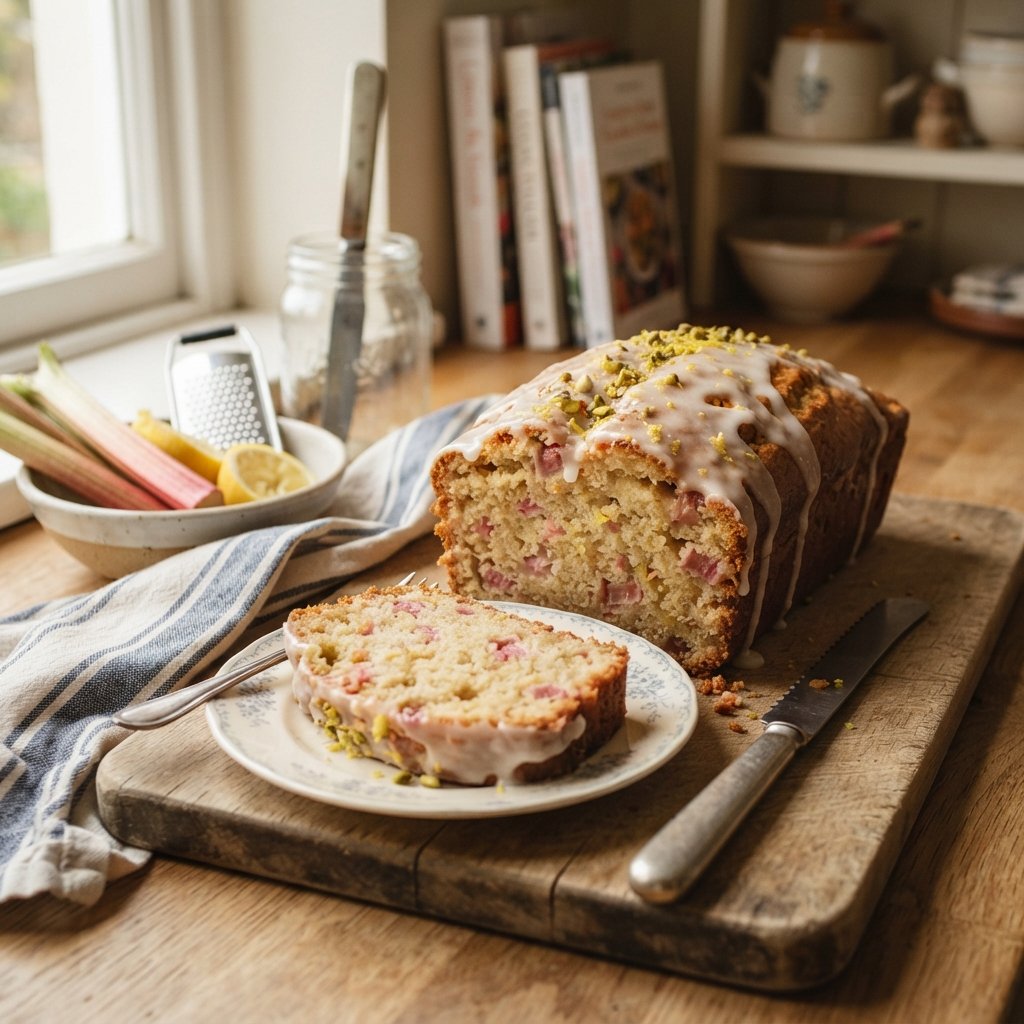
There is perhaps no scent more evocative of springtime baking than the bright, citrusy aroma of lemon mingling with the tart, earthy perfume of stewed rhubarb wafting from a warm oven. Classic Lemon Rhubarb Bread stands as a testament to the perfect balance of sweet and sour, offering a moist, tender crumb that is neither too heavy nor too light. This quick bread is a beloved staple for brunch tables, afternoon tea services, and morning coffee rituals, providing a sophisticated yet comforting treat that highlights seasonal produce at its peak. Unlike yeast breads that require patience and kneading, this loaf relies on chemical leavening to rise, making it accessible to bakers of all skill levels while delivering a bakery-quality result. The vibrant yellow zest of the lemon cuts through the deep pink hues of the rhubarb, creating a visual and flavor contrast that is as pleasing to the eye as it is to the palate. Whether you are looking to use up a bounty of garden rhubarb or simply craving a slice of something fruity and substantial, this recipe delivers a timeless experience that celebrates the simplicity of home baking.
The History
The story of rhubarb baking is a fascinating journey through culinary evolution, botanical discovery, and cultural adaptation. Originally cultivated in China thousands of years ago, rhubarb was primarily valued for its medicinal properties, specifically the dried roots which were used as a potent purgative and digestive aid. It was not until the 18th century in Europe that the stalks began to be recognized for their culinary potential, particularly after sugar became more affordable and accessible to the general population. The high oxalic acid content in the leaves made them poisonous, but the stalks, when cooked with ample sweetener, transformed into a delightful treat. The pairing of rhubarb with strawberries is perhaps the most famous combination, but the union of rhubarb and lemon has deeper historical roots in preserving and balancing flavors before refrigeration was common. Quick breads, including fruit loaves like this one, gained immense popularity during the Great Depression and World War II era when ingredients like eggs and butter were rationed, and bakers needed reliable recipes that used minimal fat and no yeast. The addition of lemon to rhubarb bread specifically emerged as a way to brighten the sometimes muddy flavor of overcooked rhubarb, utilizing the citrus oil to lift the overall profile. Today, this bread remains a heritage recipe passed down through generations, symbolizing the arrival of spring and the renewal of the garden.
Ingredients Breakdown
Understanding the function of each component in Classic Lemon Rhubarb Bread is key to mastering the texture and flavor profile. All-Purpose Flour provides the structural backbone of the loaf; the protein content creates gluten strands that trap air bubbles, giving the bread its shape without becoming too chewy. Granulated Sugar serves a dual purpose: it sweetens the tart rhubarb and lemon, but it also tenderizes the crumb by inhibiting gluten formation and retaining moisture during the baking process. Eggs act as the primary binding agent, coagulating during baking to set the structure while adding richness and emulsifying the fats and liquids for a smooth batter. Unsalted Butter, when creamed with sugar, incorporates air into the mixture which helps the bread rise, while the fat coats flour proteins to ensure a soft mouthfeel. Baking Powder is the chemical leavener that reacts with moisture and heat to produce carbon dioxide gas, creating the lift necessary for a quick bread. Salt is crucial not just for flavor enhancement, but to balance the sweetness and strengthen the gluten network slightly. Fresh Lemon Zest and Juice introduce essential oils and acidity; the zest provides the aromatic punch while the juice reacts slightly with the baking powder for extra lift and tang. Finally, Fresh Rhubarb is the star ingredient, providing pockets of juicy tartness that soften during baking, releasing moisture that keeps the surrounding crumb incredibly moist.
Step-by-Step Recipe
Executing this recipe requires attention to detail during the mixing process to ensure the rhubarb does not sink and the bread remains tender. Step One: Preparation. Begin by preheating your oven to ensure it reaches the correct temperature before the batter goes in, as consistent heat is vital for the rise. Grease your loaf pan thoroughly and line it with parchment paper, leaving an overhang to easily lift the bread out later. Step Two: Dry Ingredients. In a large mixing bowl, whisk together the flour, baking powder, and salt. This aerates the flour and ensures the leavening agent is evenly distributed, preventing uneven rising or bitter spots. Step Three: Creaming. In a separate bowl, beat the softened butter and sugar together until the mixture is pale and fluffy. This step is critical for incorporating air bubbles that will expand in the oven. Step Four: Wet Ingredients. Add the eggs one at a time, beating well after each addition to prevent the batter from curdling. Mix in the lemon juice and vanilla extract. Step Five: Combining. Gently fold the dry ingredients into the wet ingredients using a spatula. Stop mixing as soon as the flour streaks disappear to avoid developing too much gluten, which would make the bread tough. Step Six: The Rhubarb. Toss the chopped rhubarb in a teaspoon of flour before folding it into the batter. This coating helps suspend the fruit pieces so they do not all sink to the bottom during baking. Step Seven: Baking. Pour the batter into the prepared pan and smooth the top. Bake until a toothpick inserted into the center comes out clean, rotating the pan halfway through for even browning. Step Eight: Cooling. Allow the bread to cool in the pan for ten minutes before transferring it to a wire rack. This prevents the bottom from becoming soggy due to trapped steam.
Tips
- Room Temperature Ingredients: Ensure your eggs, butter, and milk are at room temperature before starting. Cold ingredients can shock the butter during creaming, leading to a curdled batter and a denser loaf.
- Rhubarb Preparation: If your rhubarb stalks are very thick and fibrous, peel the outer strings with a vegetable peeler before chopping to ensure a tender bite in the finished bread.
- Preventing Sogginess: Rhubarb releases a significant amount of water when heated. If your stalks are particularly juicy, toss them in sugar and let them sit for 10 minutes, then drain the excess liquid before adding them to the batter.
- Oven Accuracy: Use an oven thermometer to verify your oven’s temperature. An oven that runs cool can result in a gummy center, while one that runs hot may burn the crust before the inside is cooked.
- Storage: Wrap the cooled bread tightly in plastic wrap or store it in an airtight container. It stays fresh at room temperature for up to three days, but for longer storage, slice and freeze the loaf.
- Pan Size: Use a standard 9×5 inch loaf pan. If you use a smaller pan, the batter may overflow, and if you use a larger pan, the bread will be too flat and may dry out.
Variations and Customizations
While the classic recipe is perfection in its own right, there are numerous ways to customize this bread to suit different tastes and dietary needs. For a Streusel Topping, mix brown sugar, flour, cold butter, and cinnamon until crumbly and sprinkle it over the batter before baking for a crunchy contrast. A Lemon Glaze made from powdered sugar and fresh lemon juice drizzled over the cooled loaf adds an extra layer of citrus intensity and visual appeal. Those who enjoy texture can fold in Chopped Walnuts or Pecans along with the rhubarb for a nutty crunch. For a Vegan Version, substitute the eggs with flax eggs (ground flaxseed mixed with water) and use a plant-based butter alternative; the acidity of the rhubarb helps activate the leavening even without dairy. To make it Gluten-Free, replace the all-purpose flour with a 1:1 gluten-free baking blend that includes xanthan gum to mimic the structure of wheat gluten. You can also experiment with the citrus profile by adding Orange Zest alongside the lemon for a more complex citrus note, or swap half the rhubarb for Fresh Strawberries to create a hybrid spring fruit loaf. For a decadent treat, swirl in a Cream Cheese Filling made of sweetened cream cheese and egg yolk before baking for a marbled effect.
Health Considerations and Nutritional Value
While this bread is a treat, it does offer some nutritional benefits derived from its primary ingredients. Rhubarb is low in calories and high in Vitamin K1, which is essential for blood clotting and bone health. It also provides a good source of Fiber, which aids in digestion and promotes satiety. Lemons contribute Vitamin C, an antioxidant that supports the immune system and skin health. However, bakers should be mindful of the sugar content, as quick breads typically require a significant amount of sugar to balance the tartness of the fruit and maintain moisture. A standard slice contains a moderate amount of carbohydrates and fats, primarily from the flour and butter. For those monitoring blood sugar, consider reducing the sugar by 10-15% or using a natural sugar substitute like erythritol, though this may slightly alter the texture. The oxalic acid in rhubarb can interfere with calcium absorption, so individuals with a history of kidney stones should consume rhubarb in moderation. Overall, when enjoyed as part of a balanced diet, this bread provides energy and essential micronutrients while satisfying the craving for something sweet.
Ingredients
- 2 cups all-purpose flour
- 1 ½ teaspoons baking powder
- ½ teaspoon salt
- ½ cup unsalted butter, softened
- 1 cup granulated sugar
- 2 large eggs, room temperature
- 1 teaspoon vanilla extract
- 2 tablespoons fresh lemon juice
- 1 tablespoon fresh lemon zest
- ½ cup milk
- 2 cups fresh rhubarb, chopped into ½-inch pieces
- 1 teaspoon flour (for tossing rhubarb)
Directions
- Preheat your oven to 350°F (175°C). Grease a 9×5 inch loaf pan and line it with parchment paper, leaving an overhang on the sides.
- In a medium bowl, whisk together the 2 cups of flour, baking powder, and salt. Set aside.
- In a large bowl, cream the softened butter and sugar together using an electric mixer on medium speed until light and fluffy, approximately 3 to 4 minutes.
- Beat in the eggs one at a time, ensuring each is fully incorporated before adding the next. Mix in the vanilla extract, lemon juice, and lemon zest.
- Alternately add the dry flour mixture and the milk to the butter mixture, beginning and ending with the flour. Mix on low speed just until combined; do not overmix.
- Toss the chopped rhubarb with the 1 teaspoon of flour in a small bowl to coat evenly. Gently fold the rhubarb into the batter using a spatula.
- Pour the batter into the prepared loaf pan and smooth the top. Tap the pan lightly on the counter to remove any large air bubbles.
- Bake for 55 to 65 minutes, or until a toothpick inserted into the center of the loaf comes out clean or with a few moist crumbs.
- If the top begins to brown too quickly, loosely tent the loaf with aluminum foil during the last 15 minutes of baking.
- Allow the bread to cool in the pan for 10 minutes, then lift it out using the parchment paper and transfer to a wire rack to cool completely before slicing.
FAQ
Can I use frozen rhubarb for this bread?
Yes, you can use frozen rhubarb, but do not thaw it before using. Add it directly to the batter while still frozen to prevent it from turning into mush and bleeding too much color into the dough. You may need to add 5-10 minutes to the baking time.
Why did my bread sink in the middle?
This usually happens if the bread was underbaked or if the oven door was opened too early during the rising process. Ensure your baking powder is fresh and avoid opening the oven door until at least 45 minutes into the baking time.
How do I keep the rhubarb from sinking?
Coating the rhubarb pieces in a light dusting of flour before folding them into the batter creates friction that helps suspend them in the mixture. Additionally, ensure your batter is thick enough; if it is too runny, the fruit will slide to the bottom.
Can I make this into muffins instead?
Absolutely. Divide the batter into a lined muffin tin and reduce the baking time to approximately 20-25 minutes. Check for doneness with a toothpick just as you would with the loaf.
How long does this bread last?
Stored in an airtight container at room temperature, it will stay fresh for 3 days. In the refrigerator, it can last up to a week, though the texture may become denser. It freezes well for up to 3 months.
Summary
Classic Lemon Rhubarb Bread is a moist, springtime quick bread balancing tart rhubarb with bright citrus zest.
Perfect for brunch or tea, it offers a timeless flavor profile with simple preparation and customizable options.