Introduction: Welcome to the Summer of 2026
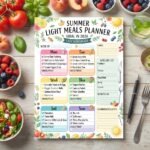
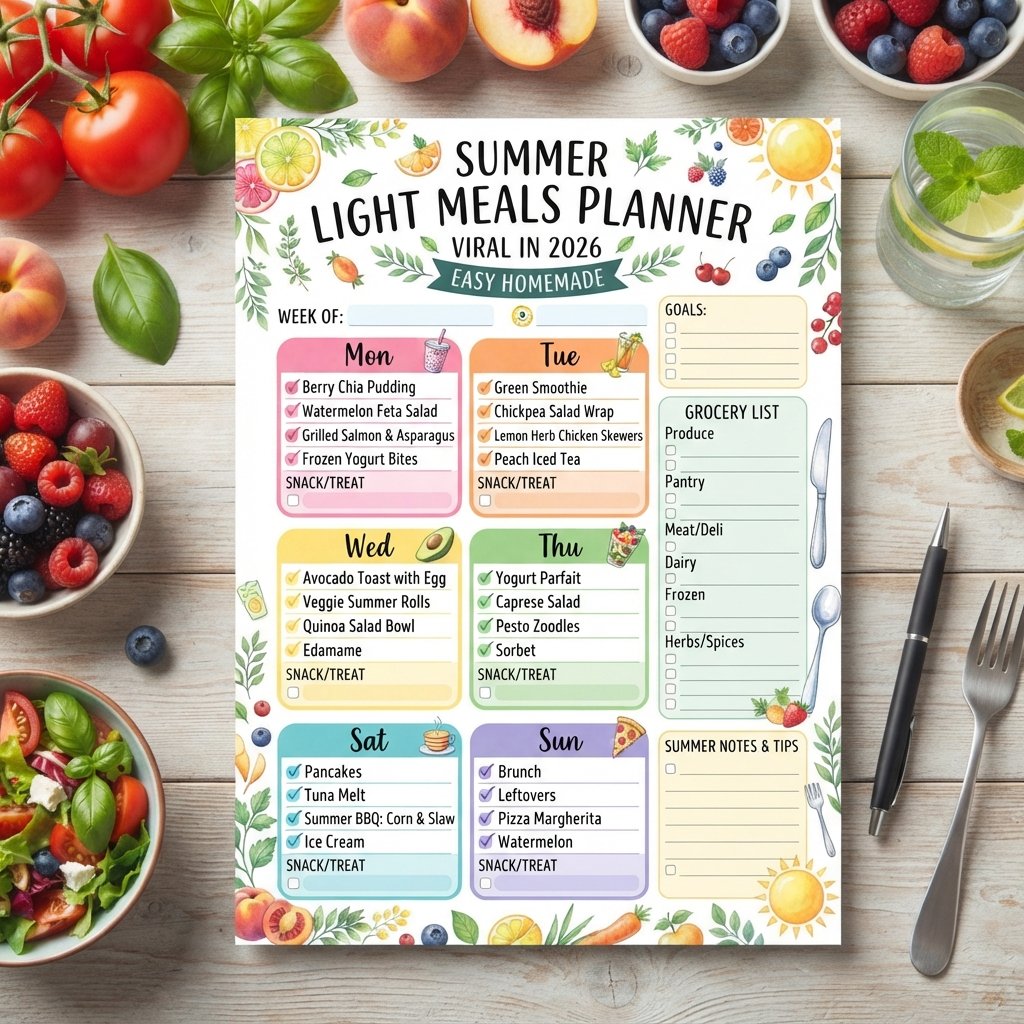
Summer 2026 isn’t just a season; it is a lifestyle revolution. As global temperatures rise and our collective consciousness shifts toward hyper-sustainability and bio-optimized living, the way we eat has fundamentally changed. Gone are the days of heavy, lethargic lunches that induce the dreaded “afternoon crash.” In their place stands the Viral Summer Light Meals Planner—the ultimate tool for the modern, health-conscious individual.
This isn’t just a PDF you download; it is a blueprint for vitality. Whether you are working remotely from a vertical garden apartment, commuting via electric transit, or simply trying to keep cool during a heatwave, this planner bridges the gap between nutrition and convenience. We are moving away from restrictive dieting and embracing “functional lightness”—meals that hydrate, energize, and repair the body without the caloric density that weighs you down in the heat.
Inside this guide, we will explore the culinary trends that are taking over social media feeds in 2026, break down the science of cooling foods, and provide you with a printable framework that makes meal prepping as easy as a swipe on your neural-link interface. Get ready to redefine your summer plate.
The History: From “Diet Culture” to “Bio-Optimization”
To understand why the Summer Light Meals Planner is going viral in 2026, we must look at the trajectory of “light eating” over the last century. The concept of a “light meal” has evolved drastically, mirroring our relationship with food and health.
- The 1920s-1950s (The Era of Restriction): Historically, “light meals” were synonymous with starvation diets. The focus was purely on caloric deficit, often leading to nutrient deficiencies. Salads were garnishes, not main courses.
- The 1980s-1990s (The Fat-Free Craze): The definition shifted to “low fat.” While this reduced calories, it often increased sugar and processed carbohydrates, leading to energy spikes and crashes—the exact opposite of what a summer body needs.
- The 2010s (The Clean Eating Movement): This era introduced the concept of whole foods. “Light” began to mean “unprocessed.” However, meal planning was still labor-intensive, requiring hours of chopping and cooking.
- The 2020s (The Functional Food Revolution): As we entered the mid-2020s, technology merged with nutrition. We began understanding food as data. By 2026, “light meals” are defined by nutrient density per calorie and thermal regulation. The viral trend of 2026 isn’t about eating less; it’s about eating “smarter” foods that naturally lower body temperature and maximize hydration.
The 2026 Viral Planner represents the culmination of this history. It combines the whole-food ethos of the 2010s with the data-driven efficiency of the future, creating a system that is sustainable for both the planet and your metabolism.
Ingredients Breakdown: The 2026 “Cooling” Pantry
The secret to a viral summer meal lies in the ingredients. In 2026, we prioritize foods with high water content and natural electrolytes. These ingredients do the heavy lifting of keeping you cool and hydrated.
1. Hydro-Vegetables (The Hydration Heroes)
These are vegetables composed of over 90% water. They act as internal air conditioning.
- Cucumber (Persian or English): The cornerstone of summer light meals. Rich in silica and water, it reduces inflammation.
- Zucchini & Summer Squash: Versatile and low-carb. In 2026, spiralized zucchini (“zoodles”) has replaced pasta as the primary vehicle for sauces.
- Celery: Often overlooked, celery is a natural diuretic that helps reduce bloating, making you feel lighter instantly.
2. Smart Proteins (Lean & Clean)
Heavy red meats generate thermic heat during digestion. Light meals require proteins that are easy to break down.
- White Fish (Cod, Tilapia, Halibut): Cooked quickly or served raw (ceviche style), these proteins provide essential amino acids without the heaviness.
- Plant-Based Crumbles: By 2026, plant proteins have perfected their texture. Pea and mung bean proteins offer a meaty bite with zero cholesterol.
- Greek Yogurt or Kefir: Fermented dairy provides probiotics for gut health, which is crucial for summer immunity.
3. Functional Fats
Fat is necessary for satiety, but in summer, we choose fats that are liquid at room temperature.
- Avocado: Packed with potassium (more than a banana) to prevent cramping in the heat.
- Extra Virgin Olive Oil: Rich in polyphenols that fight oxidative stress caused by UV exposure.
- Hemp Seeds: The 2026 superfood. They add a nutty crunch and a complete protein profile without needing to be cooked.
Step-by-Step Recipe: The “Zenith Zucchini & Avocado Noodle Bowl”
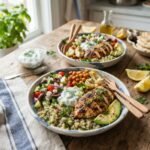
This is the flagship recipe featured in the Viral 2026 Planner. It requires zero cooking (no-heat cooking), making it perfect for hot days when you don’t want to turn on the stove.
Prep Time:
15 Minutes
Servings:
2 Bowls
Instructions:
- The Base: Take 2 large zucchinis. Using a spiralizer or a vegetable peeler, create long, ribbon-like noodles. Place them in a large mixing bowl. Tip: Salt the noodles lightly and let them sit for 5 minutes to draw out excess moisture, then pat dry. This prevents a watery salad.
- The Protein: If using canned chickpeas, rinse and drain them thoroughly. If using grilled chicken or tofu, ensure it is diced into bite-sized cubes. Toss the protein with a pinch of smoked paprika and lemon zest.
- The Crunch: Slice 1 cup of radishes paper-thin. Add a handful of toasted pumpkin seeds (pepitas) for magnesium.
- The Dressing (The Viral Secret): In a blender, combine 1 ripe avocado, the juice of 2 limes, a handful of fresh cilantro, 1 clove of garlic, 2 tablespoons of olive oil, and a splash of water. Blend until silky smooth. The avocado creates a creamy texture without dairy.
- The Assembly: Pour the dressing over the zucchini noodles. Use tongs to toss gently, ensuring every strand is coated. Top with the protein, radishes, and seeds.
- The Garnish: Finish with microgreens or edible flowers for that Instagram-worthy 2026 aesthetic.
Tips for Mastering the Planner
Downloading the Viral in 2026 Summer Light Meals Planner is step one. Using it effectively is step two. Here is how to maximize your results:
1. The “Sunday Batch” Method
Don’t cook every day. Use the planner to identify 3 core base ingredients (e.g., quinoa, roasted chickpeas, chopped kale) that you prep on Sunday. The planner is designed with a “Mix and Match” grid, allowing you to combine these bases with different proteins and dressings throughout the week.
2. Temperature Control Storage
Light meals are often served cold or room temperature. Invest in high-quality glass containers. In 2026, plastic is out. Glass keeps food fresher and doesn’t leach chemicals when exposed to summer heat during transport.
3. Flavor Layering
Light meals can sometimes taste bland if you aren’t careful. The planner includes a “Flavor Bomb” section. Always have one of these on hand to elevate a dish instantly:
- Chili Crisp Oil
- Nutritional Yeast (for a cheesy, nutty flavor)
- Fresh Herbs (Mint, Basil, Dill)
- Citrus Zest (Lemon, Lime, Yuzu)
Variations and Customizations
One size does not fit all. The beauty of this viral trend is its adaptability to specific dietary needs.
The Keto Adaptation
Remove the quinoa or brown rice. Increase the avocado and add macadamia nuts. Use a dressing based on MCT oil instead of olive oil to boost ketone production.
The High-Carb Athlete Version
For those training hard in the summer sun, light meals still need fuel. Add ½ cup of cooked sweet potato cubes or watermelon chunks to the bowl. The natural sugars provide immediate glycogen replenishment.
The Vegan/Pescatarian Switch
Swap the chicken for smoked salmon or marinated tempeh. The planner includes a conversion chart to ensure you are getting equivalent protein grams regardless of the source.
Health Considerations and Nutritional Value
Why is this approach healthier than traditional summer BBQs?
1. Reduced Inflammatory Load
Heavy, grilled meats and sugary sodas create systemic inflammation, which makes you feel sluggish and hot. The light meals in this planner are anti-inflammatory, rich in antioxidants, and alkalizing.
2. Electrolyte Balance
Sweating in the summer depletes sodium, potassium, and magnesium. The ingredients selected for these recipes (cucumber, avocado, leafy greens, seeds) are naturally high in these electrolytes, preventing headaches and fatigue.
3. Digestive Ease
Digestion requires energy (thermic effect of food). Heavy meals divert blood flow to the stomach, leaving your brain and muscles feeling tired. Light meals digest quickly, keeping your energy levels stable for afternoon activities.
Nutritional Snapshot (Per Serving of Zenith Bowl):
- Calories: 320 kcal
- Protein: 18g
- Healthy Fats: 22g
- Net Carbs: 12g
- Water Content: High (approx. 400ml of water via food)
Ingredients (Quick List for Shopping)
- 4 Large Zucchinis
- 2 Ripe Avocados
- 1 Can Chickpeas (or 2 cups grilled chicken)
- 1 Bunch Radishes
- 1 Bunch Fresh Cilantro
- 2 Limes
- 1 Clove Garlic
- Extra Virgin Olive Oil
- Pumpkin Seeds (Pepitas)
- Salt and Black Pepper
Directions (Condensed)
- Spiralize zucchini into noodles; salt and drain.
- Blend avocado, lime juice, cilantro, garlic, and oil for dressing.
- Toss zucchini with dressing.
- Top with protein, sliced radishes, and pumpkin seeds.
- Serve immediately chilled.
FAQ: Everything You Need to Know
Q: Is the printable planner actually free?
A: Yes! The core 4-week planner is free to download. We offer a premium version with auto-generated shopping lists and macro-tracking integration for a small fee.
Q: Can I freeze these light meals?
A: Generally, no. High-water content vegetables like cucumbers and zucchini become mushy when frozen. These meals are designed for fresh consumption within 3-4 days of prep.
Q: I don’t have a spiralizer. What can I use?
A: A standard vegetable peeler works perfectly to create ribbons. Alternatively, you can simply dice the zucchini into small cubes for a “tabbouleh” style texture.
Q: How does this help with weight loss?
A: By focusing on volume eating (large portions of low-calorie veggies) and high satiety (healthy fats and protein), you naturally reduce overall calorie intake without feeling hungry.
Q: Is this suitable for children?
A: Absolutely. Kids love the “noodle” aspect of zucchini. You can hide the dressing ingredients (like extra spinach) in the blender to boost their nutrient intake secretly.
Summary
The Viral 2026 Summer Light Meals Planner transforms hot-weather eating into a hydrating, energy-boosting ritual using fresh, functional ingredients. Download the printable guide today to master the art of no-cook nutrition and stay cool all season long.